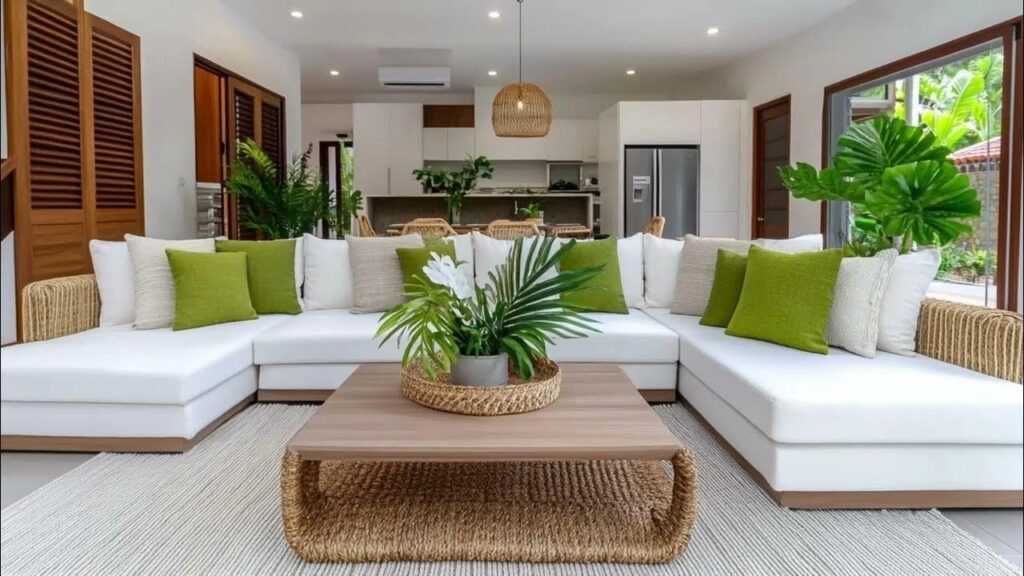
Tropical home decor invites you to step into your own slice of paradise. Imagine walking into a serene resort, where every detail reflects a perfect mix of relaxation and luxury. That same atmosphere can fill your living space, transforming everyday surroundings into a peaceful retreat.
True tropical design is much more than Tiki masks and bamboo accents. It draws inspiration from nature’s beauty, combining lush textures, warm tones, and organic materials that echo the rhythm of island life. While traditional styles feature elements like bamboo fencing, thatched roofs, and woven matting, a modern approach blends these with refined aesthetics to create a sense of understated opulence.
What makes this style so appealing is its versatility. A sophisticated tropical look enhances homes, spas, resorts, and restaurants alike, offering a calm yet vibrant mood that feels like an endless vacation.
In this guide, you’ll discover how to infuse your space with tropical decor that balances color, texture, and elegance. The best tropical interiors do more than beautify a home—they uplift your spirit and bring serenity into everyday living.
Understanding Tropical Home Décor
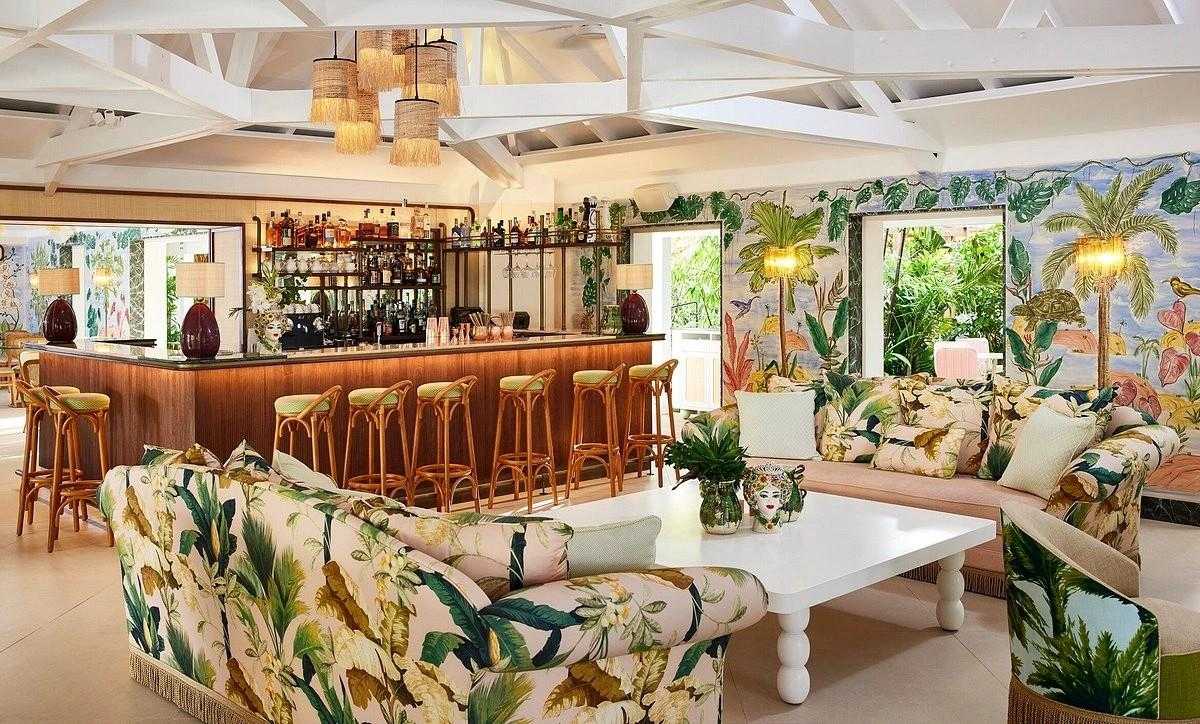
Image Source: Hommés Studio
Tropical design creates an exotic, relaxed atmosphere that captures the spirit of lush, warm regions. British Colonial style from the 1800s shaped this design philosophy after explorers brought back influences from their tropical trips.
What defines tropical style?
Tropical style wants to merge outdoors with indoors by blending interior and exterior spaces. This design reaches beyond urban or country esthetics and embraces the exotic feel of paradise settings. Tropical interior design recreates a paradise experience through vivid colors, natural textures, and botanical elements.
Nature inspires the color palette. Turquoise mirrors ocean waters, lush greens reflect dense foliage, sunny yellows remind us of beaches, and coral tones capture spectacular sunsets. These vibrant hues balance against neutral bases like whites, beiges, and light browns that create a calming backdrop.
Natural light plays a central role in tropical style. Large windows, glass doors, and open floor plans create airy spaces that connect with the outdoors.
Common materials and motifs
Natural materials dominate tropical décor with these distinctive elements:
- Bamboo, rattan, wicker, and teak furniture adds rustic charm and sophisticated appeal
- Natural fibers like linen, cotton, and jute offer comfort and breathability
- Textured elements including woven rugs, wooden bowls, and handcrafted items add depth
Lush botanical imagery stands out in tropical motifs. Palm fronds, banana leaves, and exotic floral patterns appear on wallpaper, textiles, and artwork. Fauna elements like flamingos, toucans, monkeys, and jungle cats add whimsical touches through printed fabrics, wall art, or decorative figurines.
Plants serve a vital role. Large, leafy varieties like palms, monstera, and birds of paradise energize spaces while mimicking tropical landscapes. Proper lighting creates warm, ambient atmospheres, and these elements combine to establish an authentic tropical feeling that energizes and relaxes.
Blending Luxury With Tropical Elements
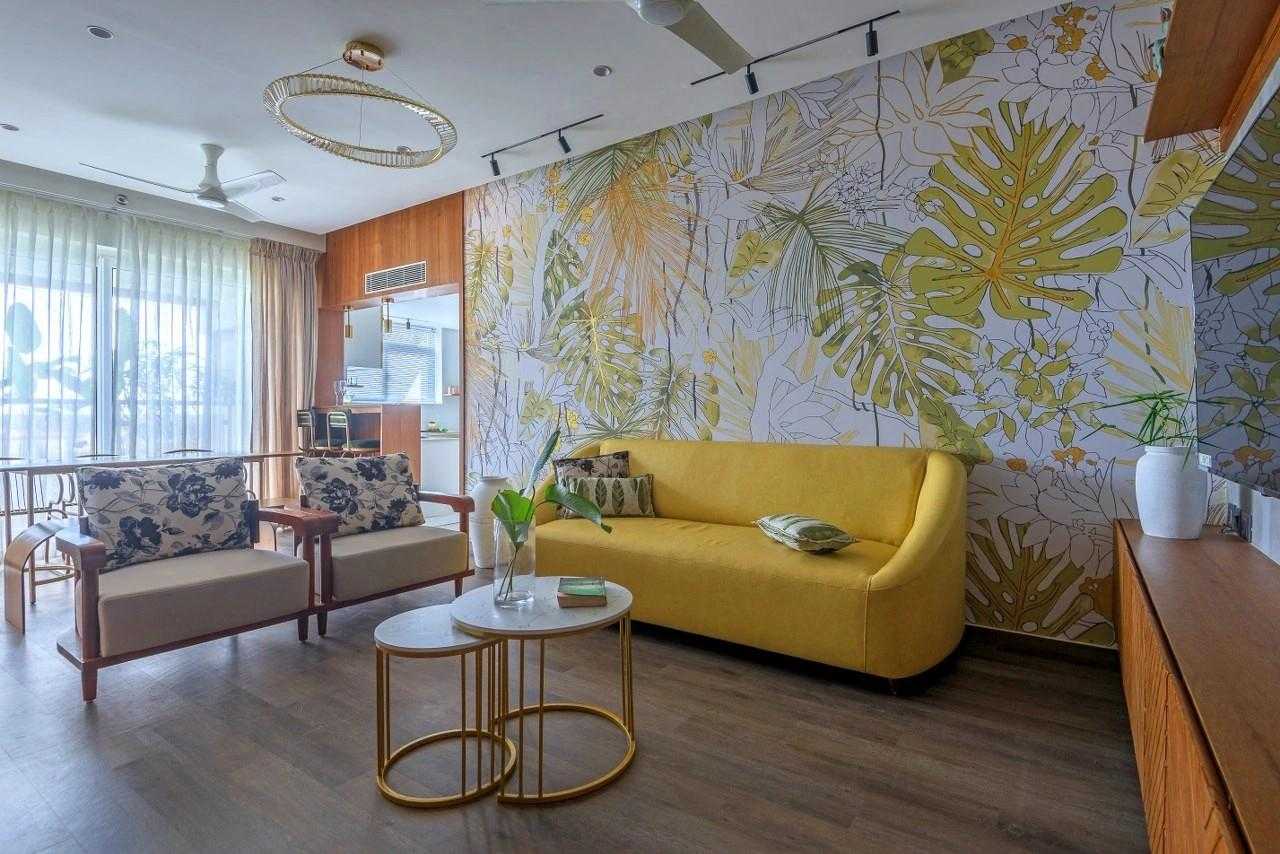
Image Source: The Architects Diary
Blending Luxury With Tropical Elements
A thoughtful approach blends vibrant elements with sophisticated design principles to create luxurious tropical spaces. Modern tropical interior design blends the essence of tropical landscapes through clean lines, natural materials, and a serene color palette that feels refreshing and refined.
Choosing a refined color palette
Luxury tropical décor starts with a carefully selected color scheme. Clean whites, soft creams, and warm neutrals on walls and larger furniture pieces create a bright and open foundation. This neutral backdrop lets tropical accents shine naturally.
A sophisticated design should think about:
- Jewel tones like emerald green, sapphire blue, and amethyst purple with soft pastel accents
- Saturated colors mixed with neutral whites and creams to avoid visual overwhelm
- Cool whites or beige as base colors enhanced by strategic color pops
Emilie Munroe recommends pairing “two to three rich jewel tones with one soft pastel” to achieve an elegant tropical palette. Classic combinations include “red, emerald green, and soft peach, or cobalt, emerald, and butter yellow”.
To deepen the natural warmth of these hues, incorporate brown artwork that reflects organic textures and earthy undertones. Pieces in warm brown shades add sophistication while grounding the vibrant tropical palette, creating a space that feels both luxurious and welcoming.
Using patterns without overwhelming
Tropical patterns add character and vibrancy but need restraint to maintain elegance. A consistent color palette throughout makes the space feel cohesive.
Sophisticated spaces can feature wallpaper with botanical motifs or accent pieces with tropical prints instead of covering every surface. Patterns work best on accent elements, and one design should dominate, especially in smaller rooms. Large-scale tropical patterns create visual impact without clutter—oversized palm fronds or abstract interpretations of tropical landscapes blend perfectly.
Incorporating metallics and clean lines
Contemporary tropical design showcases sleek, modern furniture with subtle tropical touches. Gold, brass, or copper accents add warmth and sophistication while referencing Art Deco heritage and contemporary luxury. These metallic elements complement tropical pastels and greens beautifully.
Clean, contemporary lines help maintain a sophisticated, uncluttered space. This approach creates a “younger look” that’s “more attractive to the eye” and keeps the space fresh. Modern, urban esthetics mixed with tropical elements create a timeless yet current take on tropical décor.
Key Décor Pieces for a Resort-Like Feel
Creating a resort-inspired home is all about choosing pieces that evoke comfort, sophistication, and the serene beauty of tropical getaways. With the right elements, even an ordinary room can feel like a luxurious retreat. Consider incorporating the following décor pieces to bring that relaxed, elevated ambiance into your space:
- Wall Art and Sculptures
Large art pieces immediately set the tone for a tropical escape. Turn a high-resolution photo from your favorite island into a dramatic focal point, or opt for botanical prints featuring lush greenery and colorful flowers. Abstract artworks that echo ocean hues or shoreline imagery bring depth and calmness to your interiors, perfectly complementing a coastal aesthetic. - Lighting and Ceiling Fans
Lighting plays a key role in establishing a resort atmosphere. Woven rattan pendants or bamboo lanterns cast soft shadows that add warmth and dimension. For outdoor areas, string lights or paper lanterns create a gentle glow that feels festive yet tranquil. Ceiling fans with palm-inspired blades or natural bamboo finishes enhance both comfort and style while tying the tropical look together. - Indoor Plants and Natural Textures
Greenery is the heart of any tropical theme. Fill your space with statement plants like monstera, philodendrons, or palms to create a lush, natural environment. Pair them with woven baskets, wooden bowls, and jute rugs to introduce earthy textures that add authenticity and balance to the overall design. - Statement Furniture Pieces
Wicker and rattan furniture form the backbone of tropical interiors. Choose handcrafted pieces that blend beauty with functionality, such as a rattan nightstand or a mint-colored headboard inspired by ocean waves. These designs keep the space feeling airy and elegant while maintaining clean, modern lines.
Tips to Balance Comfort and Elegance
Creating the right balance between comfort and elegance in tropical home décor requires mindful choices that blend style with relaxation. The idea is to design a space that feels both inviting and refined, echoing the ease and sophistication of a high-end tropical resort.
- Mix Modern and Tropical Styles
Tropical interiors can be subtle or bold, depending on your personal taste. Combine sleek furniture and clean lines with organic textures and natural materials to create a modern tropical feel. A single statement piece, such as a chandelier or wall artwork, can serve as a focal point while the rest of the décor remains simple and elegant. - Choose Climate-Appropriate Materials
Materials that perform well in warm, humid conditions will keep your space looking fresh and lasting longer. Natural hardwoods like teak and bamboo resist moisture, while rattan and wicker provide lightweight durability with tropical character. Stone and concrete add strength and stability, helping maintain a cool and timeless atmosphere. - Create Focal Points Without Clutter
Avoid overwhelming your space with too many decorative pieces. Choose one or two standout elements and let them shine against a clean backdrop. Natural light plays a big role here—use sheer curtains or bamboo blinds to let sunlight fill the room, creating an airy, open feel reminiscent of a resort getaway. - Use Symmetry and Spacing Wisely
Balanced arrangements bring calm and structure to tropical interiors. Center your layout around architectural features such as windows or headboards and position furnishings symmetrically to create a sense of rhythm. This approach makes the space feel organized and serene while preserving its natural elegance.
A Space That Feels Like an Escape
Designing a tropical-inspired home is about more than recreating a resort aesthetic. It’s about capturing the feeling of calm and connection that comes with being close to nature. Every element—from the textures of natural materials to the flow of light—works together to create a place where relaxation feels effortless and beauty feels organic.
When you combine thoughtful design with a touch of creativity, your home becomes more than a living space. It becomes a daily retreat that restores energy and evokes the serenity of a coastal getaway. With care and imagination, tropical décor can transform any setting into a haven of warmth, comfort, and timeless elegance.