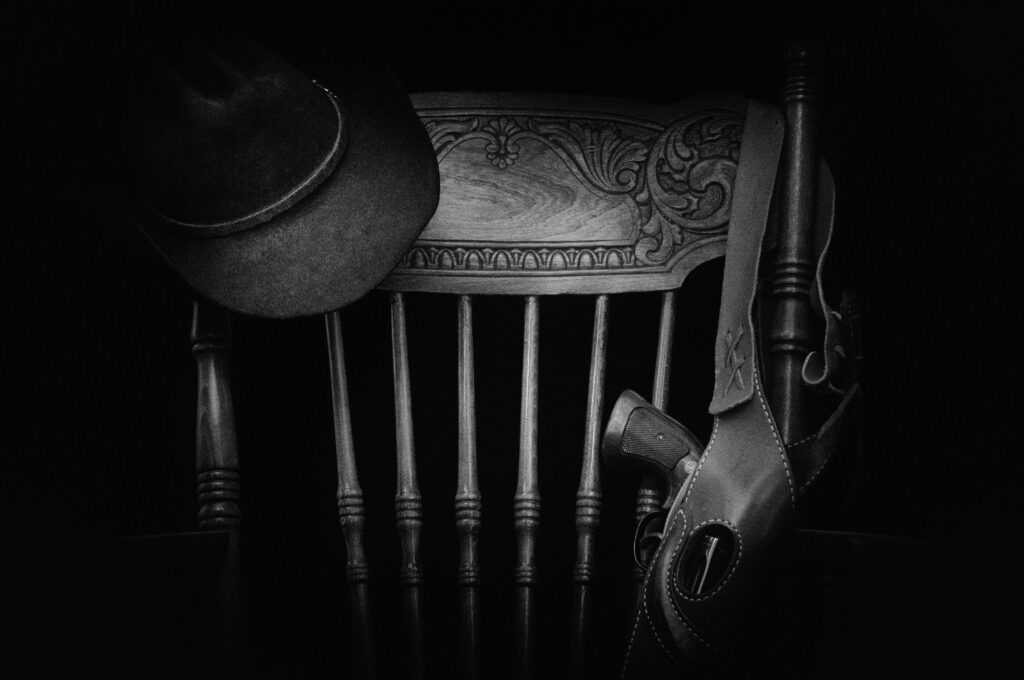
Leather Western holsters have long been an essential piece of equipment for those who appreciate both practicality and style. Whether you’re a daily user who values functionality, a collector of historical firearms gear, or someone looking for the perfect accessory for a Western-themed event, choosing the right holster can make all the difference. This article delves into the types, materials, and features of leather Western holsters that can meet a variety of needs—from daily use to special occasions—while ensuring comfort, durability, and authenticity.
Leather Western Holsters: A Historical Perspective
The iconic Western holster has roots deeply embedded in the American frontier and Old West history. During the 19th century, cowboys, lawmen, and outlaws relied on holsters to carry their revolvers, often in a fast-draw position for quick access. Over time, the design evolved to provide greater comfort, security, and ease of movement, which became essential for people working on horseback or in rugged environments.
Today, leather Western holsters remain popular for their unique aesthetic and their ability to blend tradition with function. While modern materials like nylon and Kydex have gained ground, leather continues to be the go-to choice for those seeking authenticity and longevity. Whether you’re using it for daily carry or special events, a leather Western holster offers a certain degree of craftsmanship and timeless style that synthetic materials simply cannot match.
Materials Matter: The Role of Leather in Holster Design
When it comes to Western holsters, the material is paramount. Leather, particularly top-grain or vegetable-tanned leather, has long been prized for its durability, flexibility, and rugged good looks. One of the standout qualities of leather Western holsters is their ability to mold to the shape of the user’s firearm over time, ensuring a custom fit. As the leather breaks in, it becomes even more comfortable to wear, and its natural patina adds character, further enhancing its appeal.
Choosing the right leather can have a profound impact on the holster’s longevity and functionality. Full-grain leather is typically the best option for those seeking a robust holster. It is made from the outer layer of the hide, retaining all of its natural strength and resilience. Meanwhile, top-grain leather, although slightly thinner and more uniform in texture, offers a balance between flexibility and strength, making it ideal for daily use.
Vegetable-tanned leather, which is tanned using natural plant-based compounds, is also a popular choice for Western holsters. Not only does this method result in a beautiful, eco-friendly product, but it also ensures that the leather will age gracefully, developing a unique color and sheen over time.
Types of Leather Western Holsters
Leather Western holsters come in various designs, each tailored for specific needs, preferences, and occasions. Here are some of the most common types:
1. Crossdraw Holsters
The crossdraw holster is a classic style where the gun is worn on the opposite side of the dominant hand, allowing the user to draw the weapon across their body. This style is particularly comfortable for those who spend a lot of time sitting or driving, as it allows for easier access without uncomfortable pressure against the body. Crossdraw holsters are also favored by some Western reenactors for their historical authenticity.
2. Strongside Holsters
Strongside holsters are worn on the dominant side of the body, typically on the hip, and are the most common type of holster. This design places the firearm in an optimal position for a fast draw, making it a top choice for daily carry and self-defense. When it comes to leather Western holsters, strongside designs often feature classic, wide leather straps or belt loops that enhance both functionality and style.
3. Drop Leg Holsters
For those who require quick access while in motion, drop leg holsters provide a secure option for carrying a firearm lower on the leg. These holsters are typically attached to the thigh, offering hands-free comfort while still allowing the user to quickly draw the weapon when necessary. While drop-leg holsters are less traditional in a strictly historical sense, they are an increasingly popular option for those who prefer a more modernized approach to Western holster design.
4. Shoulder Holsters
Although not exclusively a Western style, shoulder holsters have been adapted by some Western enthusiasts for their functionality and convenience. A shoulder holster suspends the firearm from both shoulders, evenly distributing the weight and allowing the user to wear a jacket or vest without sacrificing quick access to the weapon. This design is often favored for concealed carry or when carrying a heavier firearm for long durations.
Features to Look for in Leather Western Holsters
Selecting the best leather Western holster for your needs requires careful consideration of several key factors. Here are the features that should be prioritized to ensure maximum comfort, security, and efficiency:
1. Fit and Retention
Proper fit is essential for both comfort and security. A well-fitted leather Western holster should hold your firearm snugly but not too tightly, ensuring that it stays in place during regular activities but can be easily drawn when needed. Retention straps, thumb breaks, or tension screws can enhance security, but they should not impede a quick draw. Over time, the leather should conform to the shape of the gun, offering a customized fit that improves retention without sacrificing accessibility.
2. Comfort
Since leather is a flexible material, a good leather Western holster should mold to the user’s body over time, providing a comfortable fit. However, certain features—such as padded liners or moisture-wicking fabrics—can also help reduce chafing and discomfort, especially if you plan to wear the holster for extended periods. A well-designed holster will balance the need for comfort with the requirement for secure firearm retention.
3. Craftsmanship and Stitching
High-quality leather Western holsters are typically handcrafted by skilled artisans who use techniques passed down through generations. The stitching should be tight, even, and reinforced, with no loose threads or uneven patches. Hand-stitched holsters are often considered superior to machine-stitched ones due to their durability and aesthetic appeal.
4. Customizability
For some users, a custom-made leather holster offers the perfect fit and design. Many leatherworkers offer bespoke holsters that are tailored to the customer’s specifications, whether it’s for a specific firearm model, personal preferences in design, or unique features such as custom tooling or decorative patterns. Custom leather holsters provide a great way to add a personal touch while ensuring maximum functionality.
Western Holsters for Special Occasions
In addition to their practical use in everyday carry, leather Western holsters are also a popular choice for special occasions. Whether you’re attending a Western-themed event, participating in a shooting competition, or reenacting historical moments from the Old West, your holster is an important part of your attire.
For events like cowboy action shooting or Old West reenactments, leather Western holsters that replicate historical designs are a must-have. Authenticity plays a significant role in these activities, and the right holster can contribute to an accurate and immersive experience. Holsters with intricate tooling or period-appropriate details, such as laced edges or hand-carved patterns, can elevate your look and showcase your attention to detail.
For those looking to add flair to a Western-themed costume or outfit, a well-crafted leather holster can provide the finishing touch. Western-inspired designs, such as floral embossing or bold, vintage hardware, allow individuals to express their personal style while staying true to the spirit of the Old West.
Choosing the Best Leather Western Holster
The best leather Western holster for you depends largely on your specific needs and preferences. Whether you’re using the holster for daily carry, special occasions, or as part of a historical collection, it’s essential to prioritize quality craftsmanship and comfort. When selecting a holster, consider factors such as fit, retention, material, and design. And, most importantly, choose a holster that not only suits your firearm but also reflects your personal style and intended use.
By focusing on these criteria, you can find a leather Western holster that will serve you well for years to come—whether for daily use or to make a statement at your next Western-themed event. With proper care, a high-quality leather Western holster can provide both functional utility and a timeless aesthetic that enhances your overall experience.