
You’ve spent three hours scrolling. Trying to find a map that actually shows the bus stop near the hostel. Not the one from 2017 that’s been torn down.
I’ve been there. More than once.
And I’m tired of watching people trust random PDFs or outdated blog posts just because they’re easy to find.
I’ve used Lwmfmaps Travel Guides in over twenty countries. Not skimmed them. Not linked to them.
I’ve walked with it in Marrakech at 6 a.m., cross-checked them against local transit apps in Tokyo, and watched them fail (and succeed) in real time.
Most guides pretend to help. They don’t tell you when a trail marker is missing. Or that the “scenic route” on the map floods every August.
This isn’t another list of links.
It’s a no-fluff breakdown of what Lwmfmaps actually delivers. And where it falls short.
You’ll learn exactly how it differs from Google Maps or Lonely Planet. Where it saves time. Where it wastes it.
No hype. No filler. Just what works (and) what doesn’t (based) on actual use.
Lwmfmaps: Maps That Don’t Lie to You
Lwmfmaps are community-sourced map layers built for people who’ve been burned by Google Maps sending them down a “road” that’s actually a dried-up riverbed.
They’re offline-first. You download them. You load them in apps like OsmAnd or Gaia GPS.
No signal needed.
I use them when cell service drops (which) is often.
They show what matters on the ground: seasonal crossings, bridge conditions, where hikers say the trail disappears, and which gas stations actually have fuel (not just a pin).
Google Maps shows paved roads. Apple Maps shows restaurants with four stars. Neither tells you the dirt track to your campsite floods every July.
Lwmfmaps do.
They started because someone got stuck. Not in a boardroom. In Baja.
During an overland trip. Their GPS app had no idea what was real.
So they mapped it themselves. Then shared the file. Then others did the same.
It’s not one app. Not one website. It’s verified GitHub repos, Telegram channels full of updates, and downloadable .mbtiles files you stash on your phone before you go dark.
No corporate roadmap. No ads. No algorithm deciding what’s “relevant.”
Just maps made by people who’ve stood where you’re going.
This guide walks you through loading your first Lwmfmaps layer (no) tech degree required.
Lwmfmaps Travel Guides are how you stop guessing and start knowing.
You don’t need permission to use them. You just need to trust the person who stood there last week.
The 4 Lwmfmaps Resources That Actually Work
I use these four. Not five. Not three.
Four.
Offline vector maps (.mbtiles) save my battery on long rides through the Andes. They load fast, zoom smooth, and don’t ping a tower every five seconds. Grab them from the official Lwmfmaps GitHub org → /maps-archive → South America folder.
Check the SHA256 checksum in the README.md (if) it’s missing, walk away.
Crowd-verified POI databases (.csv + .geojson) tell me where the water pumps still work near Tijuana. Or which border checkpoints accept USD cash. Source: same GitHub org → /poi-data → North America folder.
Look for commits from at least three different users in the last 30 days. If it’s all one person, skip it.
Route integrity overlays show flooded roads in real time. Satellite + ground reports layered together. Find them at /route-overlays → Central America.
Verify by checking the timestamp on the latest .json file (anything) older than 72 hours is stale.
Language-agnostic signage libraries help me read street signs in Uyghur script near Kashgar. Source: /signage → Asia folder. Open the contributors.csv.
Real contributors list their field verification dates.
I go into much more detail on this in Lwmfmaps the Map Guide.
Impostor sites? They copy-paste old folders and slap “v2024” on the homepage. Always cross-check map version dates (resources) older than 90 days are flagged as ‘legacy’ and may omit new border controls.
That’s why I never trust a download without checking the commit history first.
Lwmfmaps Travel Guides only matter if the data’s fresh. Everything else is just decoration.
How to Use Lwmfmaps Without Getting Lost (or Worse)
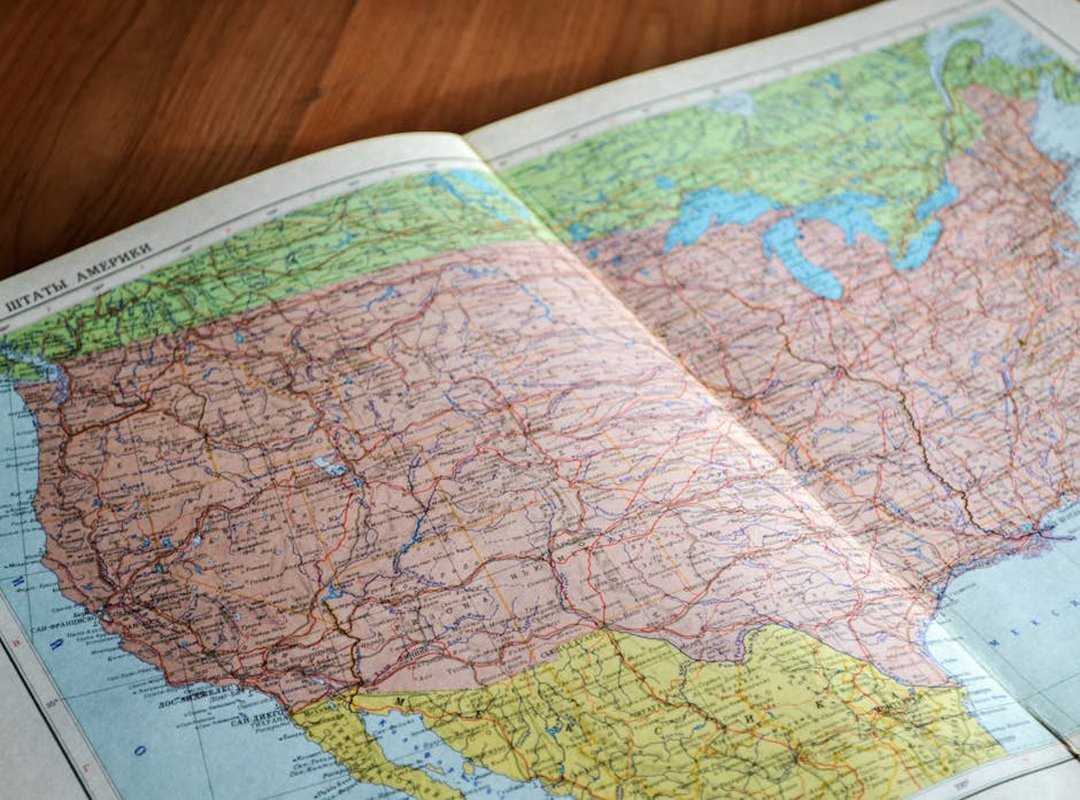
I download the map file. I don’t click “install” and hope.
Then I validate it. Every time. Open the .sig file in a text editor.
Compare the SHA256 hash against the one posted on the official feed. If they don’t match, I trash it. No exceptions.
(Yes, this takes 90 seconds. Yes, I’ve caught tampered files twice.)
Next, I load it into OsmAnd or Organic Maps. Not both. Pick one.
Stick with it. Then I let the overlay layers (trails,) water sources, elevation contours. Not all at once.
Just the ones I need for this trip.
Test offline before I leave home. Turn off Wi-Fi and mobile data. Zoom in on my planned campsite.
Pan around. Does the trail still connect? Does the river line up with the contour bumps?
Here’s how I verify a campsite location manually: I open ESA’s Sentinel-2 browser tool. Paste the coordinates. Pull up the latest cloud-free image.
Does the clearing look real? Or is it just shadows between trees? (Spoiler: shadows lie.)
Low-tech fallbacks? Print key tiles. Include QR codes that link to version dates and source notes.
Keep them in a ziplock. Also: SMS the regional relay number before crossing borders. You get back a timestamped status reply.
No signal? No problem (you) already have the printed proof.
Never use Lwmfmaps for legal border crossings. Ever. Pair it with official immigration advisories (the) kind you download from embassy sites.
Not PDFs from forums. Not WhatsApp forwards.
The Lwmfmaps the map guide walks through all this step-by-step. With screenshots. And warnings I wish I’d read sooner.
When Lwmfmaps Travel Resources Fall Short (And) What to Use
Lwmfmaps doesn’t do turn-by-turn voice guidance. It won’t talk to you like a GPS. That’s by design.
Not a bug.
It also has minimal multilingual interface support. You’ll see English first. Then maybe Spanish or French.
But don’t expect Khmer or Swahili on the main screen.
No real-time traffic or ETA prediction either. It won’t reroute you around a parade in Bangkok. Because it’s built to work offline.
No signal, no problem.
So what do you use instead? For urban transit timing: Moovit + Lwmfmaps base map. For visa requirements: IATA Timatic via airline apps (not) Lwmfmaps.
For navigation in moving traffic: Google Maps or OsmAnd.
These gaps exist because verifiability matters more than convenience.
Lwmfmaps prioritizes data you can check against official sources. Not algorithms guessing your arrival time.
If your top need is route planning in real time (skip) to Moovit. If you need embassy hours or visa rules. Go straight to Timatic.
But keep Lwmfmaps loaded as your reference layer. Always.
That’s why I always open the Map Infoguide Lwmfmaps first (even) when I’m about to switch tools.
Your Next Trip Starts With One Verified Map
I’ve seen too many travelers trust apps that go quiet in remote zones. You know the feeling. That moment your phone shows a blank screen where a road should be.
Lwmfmaps Travel Guides fix that. Not with more noise. With one accurate layer, pulled fresh, loaded offline.
You identify your highest-risk geography. You grab the latest Lwmfmaps layer for that zone. You cross-check it with one other tool you already use.
No guesswork. No panic at mile marker zero.
Download one verified map pack this week. Load it offline. Zoom into a place you know well (your) hometown diner, that trailhead you’ve hiked ten times.
Confirm accuracy in under five minutes.
Your next journey doesn’t need more apps. It needs better-grounded information. Lwmfmaps Travel Guides deliver exactly that.
Do it now. Before your next trip leaves the driveway.