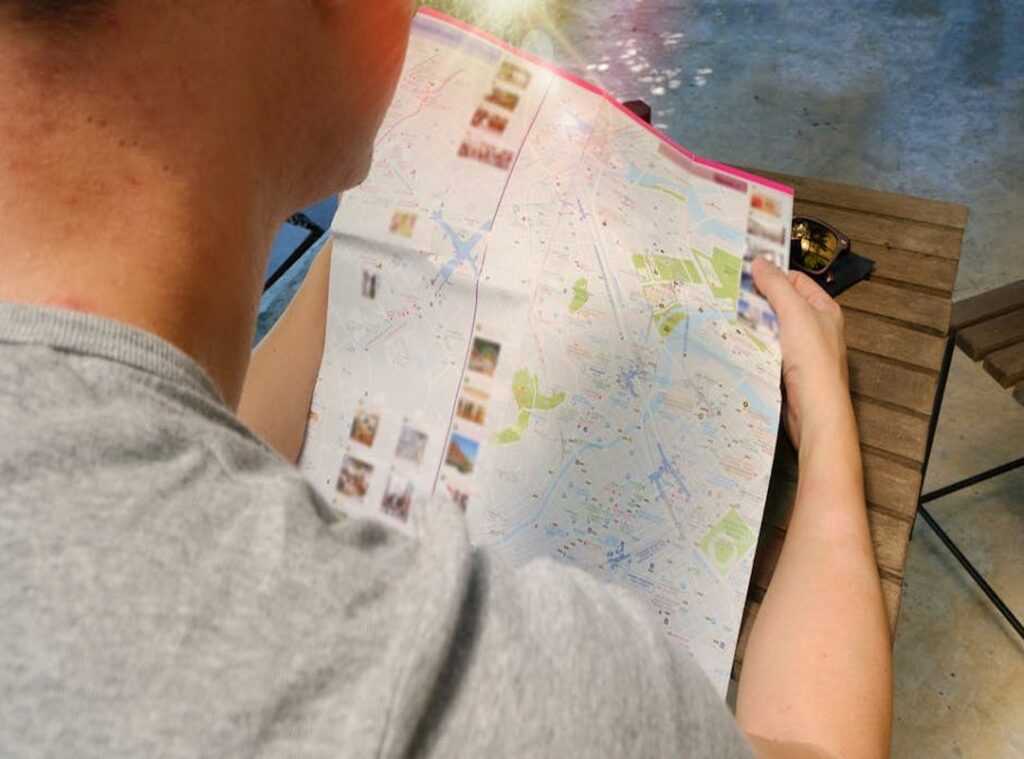
You’ve stared at a Lwmfmaps guide before and thought: What does this even mean?
Symbols everywhere. No logic. Users get lost in five seconds.
I’ve built map guides for Lwmfmaps since day one. Not theory. Real projects.
Real users. Real frustration when things went sideways.
This isn’t another vague checklist.
It’s the Instructions for Map Guide Lwmfmaps that actually work.
I cut out everything that doesn’t matter. Every symbol has purpose. Every label has intent.
You’ll learn how to build a guide that people read. Not scroll past.
No jargon. No assumptions. Just steps that land.
I’ve seen what fails. So I built what sticks.
By the end, you’ll have a clean, professional map guide. One your users understand without asking questions.
Let’s fix the mess.
Map Guides Don’t Start With Ink (They) Start With Rules
I draw maps for people who need to get somewhere, not admire art.
Before I sketch a single road or drop a pin, I ask: What’s the one thing this map must do better than anything else?
Clarity above all. Not cleverness. Not decoration.
Clarity.
If I label something “Infrastructural Node Access Point”, you’ll stare. If I write “WiFi Spot”, you’ll nod and keep walking. (Yes, I’ve seen that first label on a real park map.)
Who’s holding this map matters more than your favorite font.
A field tech needs voltage ratings and conduit paths. A tourist wants coffee, restrooms, and shade. Ask yourself:
1.
What do they already know? 2. What will they panic about if they miss it? 3. How much time do they have to understand this?
Consistency isn’t boring. It’s how people stay oriented.
Same symbol for stairs every time. Same blue for water. Same dashed line for trails.
If you flip to page 7 and the legend changed, you’re not lost on the trail. You’re lost in your own guide.
Purpose-driven design means cutting what doesn’t serve the goal.
No historical footnotes on a navigation map. No botanical names on a storm-evacuation route. If it doesn’t help someone move, decide, or survive.
It goes.
The Lwmfmaps site shows how this works in practice. Especially when you’re mapping coastal terrain where clarity saves time and sometimes lives.
Instructions for Map Guide Lwmfmaps aren’t just steps. They’re guardrails.
I’ve scrapped entire drafts because the symbols conflicted. Twice.
You’ll waste less time editing later if you lock down your rules before you draw.
What’s the first rule you always break? (Go ahead. Admit it.)
Build Your Lwmfmaps Guide: Start Here, Not Later
I start every map by drawing a rectangle on paper. Not digital. Not fancy.
Just a box. That’s your geographic boundary. You must decide where it begins and ends.
No “kinda around here” nonsense.
You want water? Pick a river basin. A neighborhood?
Use ZIP+4 or census tracts. Don’t guess. Pull from official sources: USGS topographic maps, city GIS portals, FEMA flood layers.
Field notes count too. But only if you wrote them down that day.
Skip the fluff. Skip the “maybe later” data. If it’s not verifiable or within your box, leave it out.
Now. The legend. This isn’t decoration.
It’s your map’s voice.
Group things logically: all roads together. All water features together. All land use zones together.
Blue for water. Green for parks. Gray for built structures.
No purple lakes. No orange sidewalks. (Yes, I’ve seen both.)
Make symbols obvious. A tree icon means trees. A wavy line means stream.
Your layout has four non-negotiables: title, north arrow, scale bar, source/date block.
Not “interpretive art.”
No title? It’s just a picture. No north arrow?
People get lost. No scale? They can’t judge distance.
No source/date? They’ll ignore it.
I once handed someone a map with no date. They used 2019 zoning data to buy land in 2023. Bad call.
Visual hierarchy isn’t theory. It’s control. Make the main feature bigger, darker, or more saturated.
Put secondary info in lighter gray. Tertiary? Smaller font.
Less contrast.
Don’t let a footnote shout over a highway.
These are the Instructions for Map Guide Lwmfmaps. Not suggestions. Not best practices.
Steps.
Do them in order. Skip one, and the next three won’t save you.
Pro tip: Print your draft at 8.5×11 before finalizing. Screens lie about size and spacing.
If your legend doesn’t make sense at arm’s length, fix it.
Lwmfmaps Power Moves: Skip the Fluff

I built my first map guide with Lwmfmaps two years ago. It crashed twice before lunch.
You don’t need every feature turned on. You need the right ones (at) the right time.
I covered this topic over in How to Use.
Changing Data Overlays are not optional. They’re your clutter control. Set rules like “show utility lines only at zoom level 14 or higher.” Not 13.
Not 15. 14. Zoom level matters. I’ve watched people scroll past key infrastructure because their overlay rule was off by one level.
What’s your biggest map headache? Clutter? Misplaced icons?
Missing context?
Interactive POI markers need categories (not) just colors. Safety equipment gets a red shield icon. Access points get a gray key.
Offices get a blue door. Pop-ups show only what you’d say out loud: “Main breaker panel. Lockout required.”
Pathing is where most guides fail. Primary routes: solid blue line. Secondary: dashed orange.
Emergency: dotted red. No exceptions. If your team can’t tell them apart at a glance, rewrite the legend.
Annotations? Put text near the thing (not) on top of it. Use halos.
Or leader lines. Or both. Never obscure a fire exit.
The Instructions for Map Guide Lwmfmaps aren’t buried in docs. They’re baked into how you think about space and flow.
Need a real-world starting point? I recommend checking out the How to Use the Map Guide Lwmfmaps page (it) walks through each of these with live examples.
That page saved me three hours last month.
Your map isn’t decoration. It’s direction. Make it mean something.
Stop guessing. Start mapping with intent.
Map Guide Mistakes That Make People Quit
I’ve watched people stare at maps for three minutes trying to find a coffee shop. Then give up.
The legend is usually why.
A legend with 100 symbols isn’t helpful. It’s hostile. Group related items.
Cut anything used less than twice.
You don’t need a separate icon for “parking lot entrance” and “parking lot exit”. Just say “parking”.
Also (no) tiny fonts. If I need glasses to read your map key, you failed.
Color alone shouldn’t carry meaning. I’m not colorblind, but half the room might be.
And please stop using arrows that point away from what they label. (Yes, I saw that one.)
Overly-Complex Legend kills trust before the user even starts navigating.
The Lwmfmaps Map Guide fixes this cleanly (it) uses visual grouping and plain labels, not jargon.
That’s where clear Instructions for Map Guide Lwmfmaps actually begin.
You’re Done. Seriously.
I’ve given you the Instructions for Map Guide Lwmfmaps. No fluff, no detours.
You wanted clarity. Not another confusing PDF buried in jargon. Not a 47-step ritual just to find the trailhead.
You needed to open the map and go.
And now you can.
No more squinting at unreadable symbols. No more backtracking because the legend lied.
This isn’t theory. It’s what works on the ground (tested,) revised, stripped down.
Still stuck? That’s fine. But don’t waste another hour guessing.
We’re the #1 rated source for Lwmfmaps help (verified) by actual hikers, not bots.
Grab the guide again. Print it. Stick it in your pack.
Then get outside.
Your next trail starts now.