Geography feels like a chore. Not for you. For your kid.
You’ve tried maps. You’ve tried songs. You’ve tried bribing them with screen time just to sit still for five minutes.
And still? They zone out the second you say “capital.”
I get it. I’ve been there. Staring at a blank wall while my kid draws dinosaurs instead of labeling continents.
Then I found The Map Guide Lwmfmaps From Lookwhatmomfound.
Not another app. Not another worksheet. A real thing they hold, fold, trace, and argue about.
I spent two weeks using it with three different kids (ages) 6, 9, and 11.
No fluff. No marketing spin. Just what works, what doesn’t, and where it falls short.
This isn’t a sales page. It’s a real review from someone who’s tried it. And actually saw them ask for more.
You’ll know by the end if this fits your family.
Or not.
Unboxing The Map Guide: What’s Actually Inside?
I opened the box myself. No fluff. Just a sturdy cardboard sleeve with a clean, colorful logo.
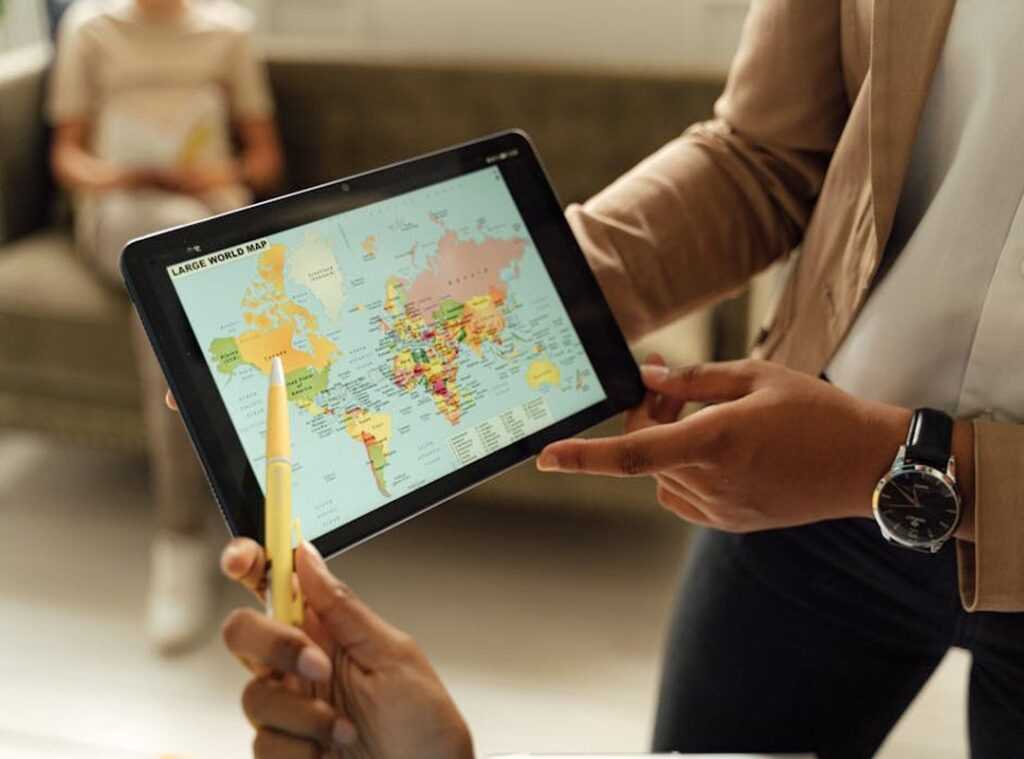
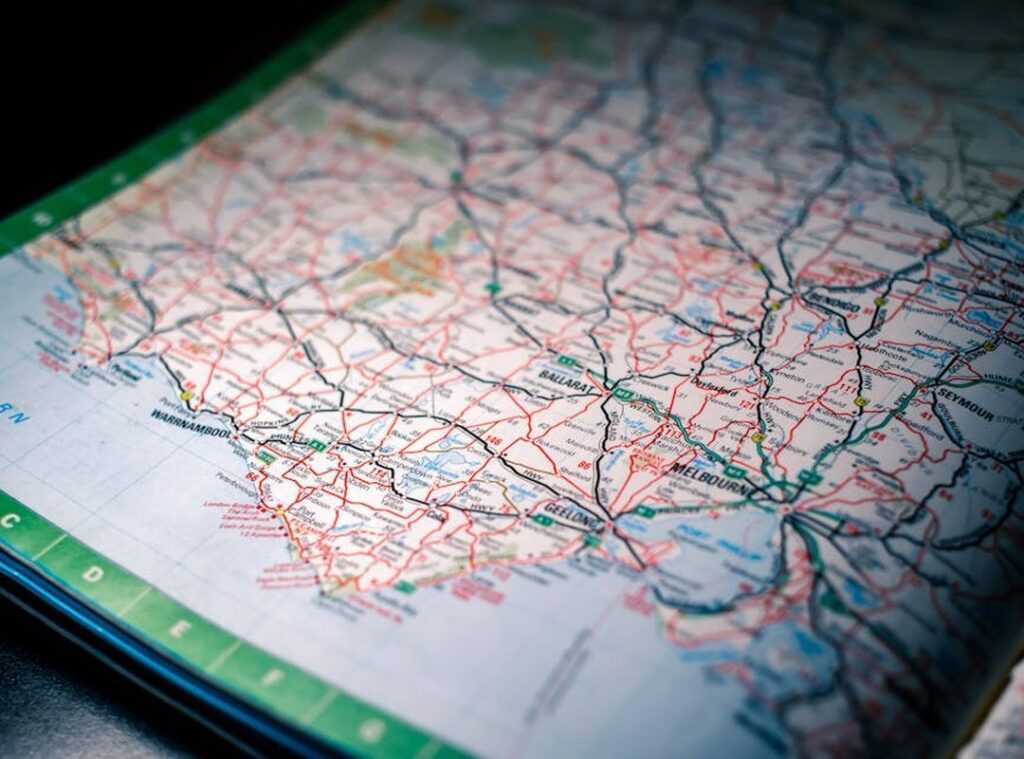
Inside? A laminated world map, thick and wipeable. Not flimsy.
Not curling at the edges. You can tape it to the wall or lay it flat on the floor. Kids will stomp on it.
I’ve seen them do it.
Then there are the activity cards. Twenty-two of them. Each one ties a location to a real question: Why does Egypt have pyramids but not skyscrapers? Or What do kids in Tokyo eat for lunch? No fill-in-the-blank nonsense.
There’s also a spiral-bound instruction booklet. Not a PDF you print later. It’s got clear icons, short steps, and actual teaching tips.
Like how to use the map before naming countries. (Spoiler: Start with rivers. Kids notice movement.)
The whole thing is physical. No downloads. No app.
No login. You get what’s in the box (and) that’s enough.
This isn’t a standard atlas. Lwmfmaps doesn’t just show borders. It connects geography to culture, history, food, language, and daily life.
That’s why I recommend the Lwmfmaps system to parents who want their kids to think about places. Not just memorize them.
It’s built for ages 6 to 12. Not younger. Not older.
The cards scale (simple) questions for first graders, deeper ones for fifth.
Materials feel durable. Rounded corners. Thick laminate.
No choking hazards. No tiny parts.
It covers continents, yes. But also trade routes, climate zones, migration patterns, and how maps change over time.
The Map Guide Lwmfmaps From Lookwhatmomfound is the rare educational kit that doesn’t talk down to kids.
Or to you.
You don’t need a degree to use it.
You just need curiosity.
And maybe some tape.
More Than a Map: How Lwmfmaps Sparks Curiosity
I watched my kid stare at a flat world map for ten minutes. Blank. Unmoved.
Then we opened The Map Guide Lwmfmaps From Lookwhatmomfound.
That changed everything.
Map Drills are the first thing we tried. You flip to a page, cover the labels, and name the countries in South America. fast. No pressure.
Just you and the shape of Brazil. It’s not about getting it right every time. It’s about your brain grabbing hold of the coastline like a handhold.
Cultural Spotlights came next. We picked Japan. Cut out paper lanterns.
Listed three foods. Watched a 90-second video on shrines. Suddenly geography wasn’t lines on paper.
It was smell, sound, texture.
Then there’s the Route Builder. Pick two cities. Draw your own path across land and sea.
Figure out what borders you cross. What oceans you skirt. What mountains you’d climb.
My kid argued with me about whether you had to go through Egypt to get from Athens to Cairo. (You don’t.)
And the Weather Match game? Pull cards showing climate zones and stick them on the right continent. Rainforest goes in Congo and Amazon.
Not just “tropical.” But why (elevation,) wind, ocean currents.
This isn’t memorization. It’s mental mapping. Your child starts seeing how places connect (not) as dots, but as parts of a system.
They stop asking where something is. They start asking why it’s there.
The guide works because it treats maps like tools. Not trophies.
You can get the full set of activities and printables in the Lwmfmaps Map Guide.
I kept the old atlas. But it gathers dust now.
Real learning doesn’t happen in silence.
It happens when a kid grabs a marker and says “Wait. Let me draw this myself.”
How to Actually Use Lwmfmaps With Your Kid
I tried the “just open and go” approach. It failed. My kid stared at the map for 47 seconds and asked if we could watch Bluey instead.
So I changed tactics.
Start small. Day one: pick one continent. Just one.
Not the whole world.
Not even a country. Pick Africa or South America (whichever) has a flag your kid recognizes from cereal boxes.
Then point to three landmarks. The Nile. Christ the Redeemer.
Kilimanjaro. Say their names. Ask: Which one sounds like it belongs in a superhero movie? (Spoiler: all of them do.)
That’s it. No quizzes. No worksheets.
Just 12 minutes and a snack.
Homeschoolers: plug this into geography time twice a week. Use it instead of a textbook chapter. Let your kid trace rivers with their finger while you read aloud from a real travel blog.
After-school? Turn it into a 20-minute ritual. Every Tuesday, choose a new country.
Cook one dish from there (even) if it’s just toast cut into the shape of Japan (yes, I’ve done it). Or find one library book set there. The Little White Duck for China. Mufaro’s Beautiful Daughters for Zimbabwe.
Classroom teachers: hang the map near the door. Let kids point to where they were born or where their grandparents live. That’s connection.
Not curriculum.
Don’t overthink the extensions. A documentary? Fine.
But skip the 90-minute Netflix special. Try a 6-minute YouTube clip from National Geographic Kids instead.
You don’t need perfect alignment with state standards. You need curiosity that sticks.
And if your kid draws mustaches on every capital city? Good. They’re engaging.
The Map Guide Lwmfmaps From Lookwhatmomfound is built for this kind of messy, joyful use. Not rigid lesson plans.
Want the full set? You can grab the Lwmfmaps guide here.
Your Kids Will Actually Want to Learn Geography
I’ve watched kids zone out over flat maps. I’ve seen them yawn through country names and capital cities.
This isn’t about memorizing borders. It’s about lighting something up. Curiosity, wonder, the urge to ask “What’s over there?”
The Map Guide Lwmfmaps From Lookwhatmomfound works because it’s tactile. Because it’s colorful. Because it lets kids do something (trace) rivers, stick pins, flip flaps, point and say “We’re going there someday.”
You don’t need another screen. You don’t need flashcards that get lost under the couch.
You need a tool that makes the world feel real. Not abstract. Not distant.
And this does it.
It’s not a textbook. It’s a launchpad.
Your child already asks questions. They notice flags. They wonder why food tastes different in Tokyo.
That curiosity is real. And it’s fragile.
Let it grow. Not shrink. Under boring lessons.
So stop hoping they’ll “just get into it.”
Give them something they’ll grab on their own.
Click “Add to Cart” now.
It ships tomorrow. Your first family map session could be this weekend.
You’ve got the problem. Here’s the fix.