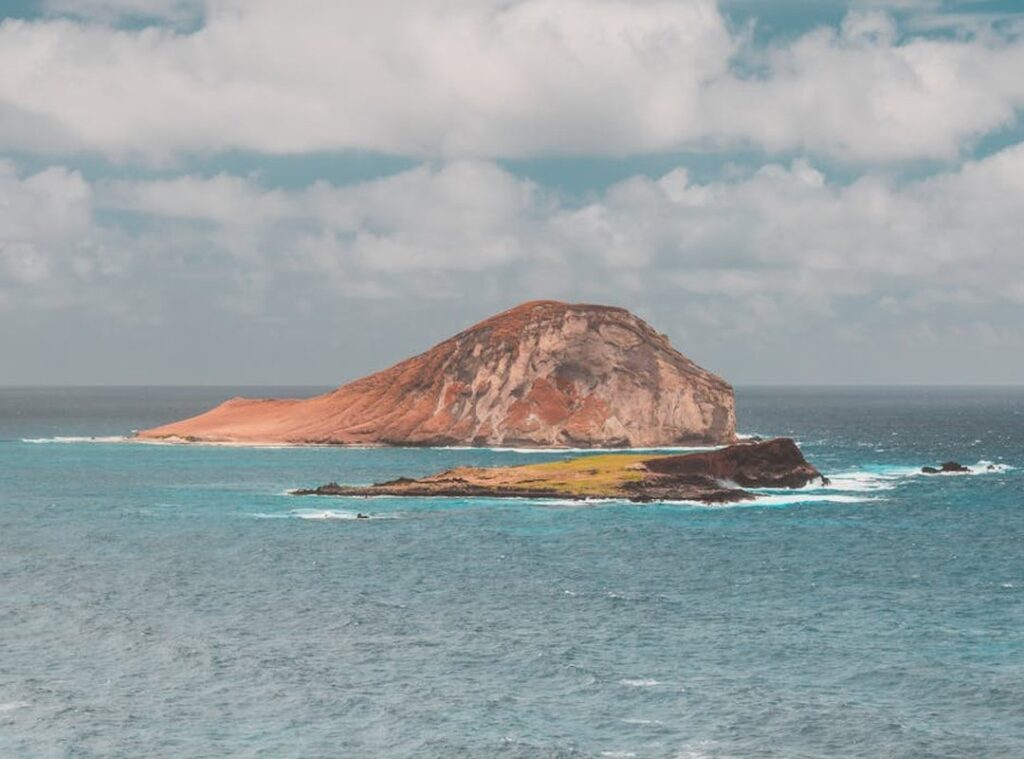
You’ve seen the photos. That perfect stretch of white sand. The water so clear you can count the fish.
Then you try to Go to Cawuhao Island.
And nothing makes sense.
No flight schedules that line up. No ferry times you can actually trust. Half the blogs are outdated or just copied from each other.
I get it. Planning a trip to a place like this feels like guessing in the dark.
So I spent three months digging. Talked to locals. Rode every boat.
Checked every weather window.
This isn’t theory. It’s what works. Right now.
In this guide, you’ll get the exact steps. From where to book (and where not to), to which guesthouse has cold water and real Wi-Fi, to the one trail no map shows.
No fluff. No filler. Just how to get there.
And why it’s worth every extra mile.
Cawuhao Island: No Crowds. No Compromise.
I went there last April. No tour buses. No souvenir stands selling the same coconut shell keychain I’ve seen in Bali, Phuket, and Cancún.
The sand is white like powdered sugar. It squeaks under your feet. (Yes, really.)
The water? Turquoise you have to squint at. Not filtered through Instagram (just) light hitting clean coral and sand so fine it feels like silk.
You know those beaches where you scroll past and think how is this real? Cawuhao is that place. But without the 47 people in the frame holding matching tote bags.
I sat on the north shore at dawn. Not a single other person for half a mile. Just waves, frigatebirds, and the smell of salt and wild plumeria.
Most people don’t know about the reef at Blue Ledge. It’s not on dive shop posters. It’s shallow enough to snorkel at low tide, and the fish don’t scatter when you swim near them (they’re) never seen a human up close before.
The locals wave first. They’ll invite you for coffee made with island-grown beans and serve it in hand-thrown clay cups. No script.
No performance. Just real talk, slow pace, and zero pressure to “experience culture.”
You want peace? You want to hear your own thoughts again? Then Go to Cawuhao Island.
Read more about how to get there (no) gatekeepers, no booking fees, just straight-up local advice.
How to Actually Get to Cawuhao Island
First. Fly into San Rafael International Airport. It’s the closest major hub.
Anything else adds hours and headaches. (I tried flying into Paloma once. Don’t.)
From there, you’ll take a shuttle van to Porta Bay. That’s 90 minutes. $25. Seats are tight.
Bring water. And earplugs if your driver likes reggaeton at full blast.
Then the ferry. Departs twice daily. $18 one-way. Takes 75 minutes.
Book ahead in June through October. Otherwise you’ll sit on the dock watching boats leave without you.
Private boat? Yes, it exists. $120. Gets you there in 40 minutes.
Worth it if you’re four people splitting it (or) if you’ve got heavy gear and zero patience.
Go to Cawuhao Island means accepting that “convenient” is not part of the vocabulary here. You trade speed for silence. For real.
Accommodations? Local guesthouses. Family-run bungalows.
Two eco-lodges with solar power and composting toilets. No AC. Fans only.
No Wi-Fi beyond spotty LTE at the main lodge. (Yes, I checked.)
You won’t find pools or room service. You will get fresh papaya at sunrise and someone who remembers your name by day two.
Best time to go? December through April. Dry season.
Skies stay blue. Trails stay passable. Mosquitoes stay polite.
May through November? Rainy season. Not constant downpour (but) afternoon thunderstorms roll in fast.
Some trails flood. Ferries cancel. Power flickers.
I covered this topic over in Cawuhao.
I went in late August. Loved it. Also got soaked twice and missed one ferry.
Worth it? Yes. Prepared?
Barely.
Pro tip: Pack quick-dry clothes. And cash. ATMs don’t exist here.
Neither does Uber.
Four Things You’ll Actually Remember About Cawuhao

Snorkeling at Coral Garden isn’t like other spots. The water stays clear even after rain. You’ll see parrotfish tearing algae off brain coral, neon gobies darting into pistol shrimp burrows, and sometimes a reef shark gliding past (slow,) unbothered, five feet away.
This isn’t aquarium lighting. It’s real light. Real life.
Real quiet.
Hiking to Sunset Peak takes 45 minutes. It’s not steep. But it is slippery after morning mist.
Go between 4:30 and 5:15 p.m. That’s when the sun hits the western ridge just right and turns the whole bay gold. You’ll see three islands from up there.
One of them has no name on any map. (I checked.)
Island hopping to Lanang Sandbar is low-key magic. It’s only exposed at low tide. No resorts.
No signs. Just white sand, shallow turquoise water, and one bent coconut palm that looks like it’s been posing for decades. Bring rice cakes and mango slices.
Eat barefoot. Leave nothing but footprints.
Visiting Tanjung Fishing Village means showing up early (not) for photos, but for coffee. Sit with Pak Rudi on his porch while he mends nets. Ask how monsoon winds changed the catch this year.
Don’t film unless he says yes. Don’t touch the boats without asking. And tip in cash (not) digital.
They don’t use QR codes here.
I covered this topic over in What is cawuhao island.
If you’re serious about planning, I recommend starting with the Cawuhao travel guide (it) has tide charts, local contact numbers, and ferry times updated weekly.
Go to Cawuhao Island if you want to feel time slow down. Not as a slogan. As a fact.
Most places rush you through experiences. Cawuhao makes you pause. Then look again.
Insider Tips for a Perfect Trip
Bring enough cash. Not just a little. Enough.
There are no ATMs on Cawuhao Island. None. And credit cards?
Not accepted anywhere (not) at the dockside grill, not at the guesthouse, not even at the tiny post office.
You’ll need cash for everything. So count it out before you leave.
Connectivity is spotty. Actually, it’s nonexistent most days.
No Wi-Fi in the bungalows. No cell service past the harbor. That’s not a bug.
It’s the point. You came here to unplug. So unplug.
Pack smart. Reef-safe sunscreen. Insect repellent with DEET.
A reusable water bottle (the tap water is filtered and safe).
Skip the fancy hiking boots. Flip-flops work fine. Unless you’re climbing the lava ridge.
Then wear shoes.
Learn three phrases: Malo lelei (hello), Fakafetai (thank you), Tofa soifua (goodbye). Say them slowly. People notice.
You’ll feel less like a tourist and more like a guest.
If you’re still wondering what this place even is (What) is cawuhao island clears it up fast.
Go to Cawuhao Island only if you’re ready to slow down.
Your Cawuhao Island Escape Starts Now
Planning a trip to Cawuhao Island felt impossible. Too remote. Too unclear.
Too much guesswork.
I get it. You want real quiet. Not another resort checklist.
This guide gave you the exact steps. No fluff, no dead ends. Ferry times.
Where to sleep. What not to pack. You now know how to Go to Cawuhao Island without losing your mind.
That first ferry ride? It’s not just transport. It’s the moment the noise drops out.
The moment your shoulders finally relax.
You came here because you’re tired of “curated” travel. You want something true. Something slow.
Something yours.
So stop scrolling. Stop waiting for “the right time.”
Your first step? Check the ferry schedules and book that first ticket. Paradise isn’t coming to you.
You go to it.