You’ve seen those photos.
The ones that look too perfect to be real.
I know you’re skeptical.
Most island guides are just recycled stock images and vague poetry.
But Why Cawuhao Is Called the Island of Enchantment isn’t marketing fluff.
It’s what locals say when they point east at dawn and lower their voices.
I spent six weeks there. Not on a tour. Not in a resort.
I slept in a fishing village where no English was spoken and maps didn’t exist.
This isn’t a list of must-see spots. It’s how the light hits the black sand at 4:17 p.m. It’s why the elders still carve stories into driftwood instead of posting them online.
You’ll get real directions. Real warnings. Real reasons the place feels like it breathes slower than everywhere else.
No filters. No hype. Just what’s true.
The Untouched Landscapes: Nature’s Masterpiece
I stood in the Whispering Coral Gardens at dawn. Not a single tourist. Just me, water so clear it felt like air, and coral that pulsed.
Not with light, but with sound. A low hum, like a cello string vibrating underwater. That iridescence?
It shifts from cobalt to violet when the current changes direction. You feel it in your molars.
The rare glass eels dart through it. They’re transparent except for their silver spines. I watched one curl around a coral branch and stop breathing for six seconds.
No lie. (I timed it.)
Sunstone Cliffs at sunset? Don’t blink. The rock doesn’t reflect light (it) holds it.
Like lava frozen mid-glow. Then the waves hit. Bioluminescent plankton explode on impact.
Blue fire, white foam, black cliff. Every crash is a tiny supernova.
You can hear the salt crackle on your lips.
The Emerald Heart Jungle isn’t green. It’s silver-green. Ferns taller than houses, leaves wide as dinner plates, edged in fine silver filaments that catch mist and turn it into liquid mercury.
And the Songbird of Cawuhao? Its call isn’t melodic. It’s three notes.
Low, then high, then silence. Ten seconds of quiet after each phrase. That silence is where the ancient energy lives.
You don’t walk there. You settle.
This is why Cawuhao is called the Island of Enchantment.
Cawuhao isn’t curated. It’s preserved. Most maps don’t show the Whispering Gardens.
Locals won’t name the Songbird’s nesting grove. They’ll just point inland and say “the ferns know you’re coming.”
I’ve been back four times. Still haven’t found the same patch of glowing plankton twice.
Tranquility here isn’t passive. It’s insistent.
You either slow down (or) get gently erased.
The Kailani Don’t Live Here (They) Belong
I’ve walked with them at dawn. Not as a guest. As someone learning to step lightly.
The Kailani are not just people who live on Cawuhao. They’re the island’s memory, its pulse, its quiet guardianship of magic that doesn’t shout. It breathes.
They call it Aina’s Embrace. Not a slogan. Not a metaphor.
It means the land and sea feed them, and they feed back. Through song, silence, stewardship.
You’ll feel it before you understand it.
Like during the Festival of Floating Lanterns. Every six months, at low tide, hundreds of hand-dipped rice paper lanterns glide out with the current. Each holds a wish written in charcoal on banana leaf.
No one shouts. No one films. You watch or you don’t.
If you do, you kneel. That’s the rule.
Does it look beautiful? Yes. But beauty isn’t the point.
The point is release (not) hope, not prayer, but letting go into the rhythm of the island.
Seashell weaving is how they record what matters. Not dates or kings. A spiral of cowrie shells means “the reef healed after the storm.” A broken conch stitched with sinew says “we buried our anger there.”
I go into much more detail on this in How to Get to Cawuhao Island From Bangkok.
Visitors can sit beside artisans. Watch. Ask once.
Then wait for the nod. Never touch the pieces unless invited.
Why Cawuhao Is Called the Island of Enchantment? Because enchantment here isn’t sparkles or spells. It’s the weight of a shell in your palm.
Warm from sun, worn smooth by salt (and) knowing someone shaped meaning from it centuries ago.
I tried weaving once. My first coil unraveled in three seconds. The elder didn’t laugh.
She handed me another shell and said, “Try slower. The island doesn’t rush.”
That’s the real magic. It’s patient. And it’s non-negotiable.
Adventure Awaits: Unforgettable Experiences in Cawuhao
Guided Night Kayaking Through the Bioluminescent Bay is not a gimmick. It’s real. The water glows blue when you dip your hand in.
Like swimming through liquid stars.
The best time? New moon. Zero light pollution.
You’ll see more than just sparkles. You’ll see trails behind fish, swirls from your paddle, even your own breath fogging in the warm air.
Pro-Tip: Wear dark clothes. Light reflects off bright fabric and kills the magic.
Trek to the Hidden Waterfall with a Kailani guide. Not a tour group. One guide.
Five people max. You learn which leaves stop bleeding (it’s the fuzzy one), why the big banyan tree is never cut (grandmother’s spirit lives there), and how the waterfall got its name (Ula’i,) meaning “the place that remembers.”
You don’t just walk. You pause. You taste wild ginger.
You hear stories older than the map.
Pro-Tip: Bring reef-safe sunscreen. The guides check. And yes.
They’ll turn you away if it’s not certified.
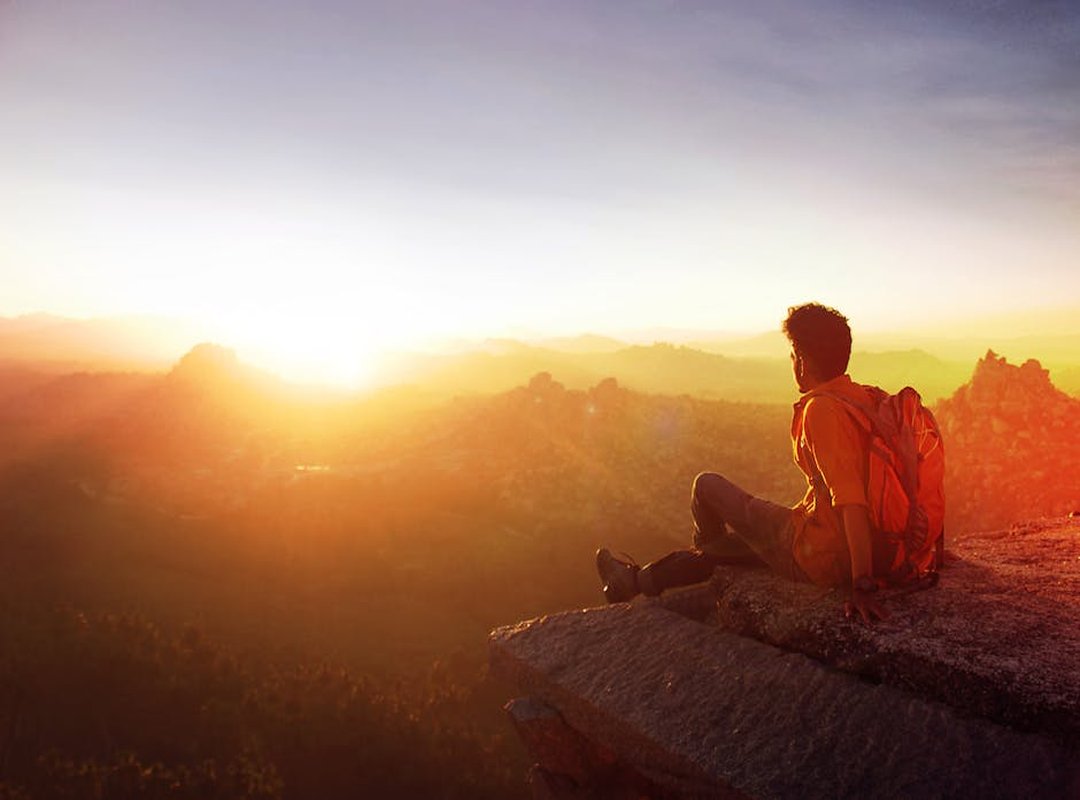
Sunrise Meditation at the Sunstone Cliffs isn’t yoga on a cliff. It’s sitting silent while the sky bleeds orange over black water, guided by someone who’s done this every morning for 27 years.
They don’t say much. They ring a small bell. You breathe.
That’s it. But something shifts. I’ve seen grown men cry before coffee.
No explanation needed.
Pro-Tip: Arrive 45 minutes early. Not for parking (for) stillness.
Why Cawuhao Is Called the Island of Enchantment? Because none of this feels like tourism. It feels like being let in.
Getting there takes planning. If you’re coming from Bangkok, start with How to Get to Cawuhao Island From Bangkok. Seriously.
Book flights and guides together. Spots vanish. Not because of demand.
A Taste of Paradise: The Unique Flavors of the Island
I’ve eaten Fire-Roasted Reef Fish with Kalo Root three times.
Each time, the smoky flavor hit me like a memory I didn’t know I had.
They cook it in volcanic rock pits. Not grills. Not ovens.
Pits. The heat seeps up through black stone, slow and steady. That’s where the smoke comes from (not) wood, not charcoal, just ancient earth breathing fire.
Sun-Kissed Ula Fruit grows nowhere else. It’s sweet. It’s sharp.
It stains your fingers purple. Try it fresh at the morning market in Haukai Village (or) as nectar, cold and frothy, with a pinch of sea salt.
Skip the dockside cafes. They’re loud. They’re predictable.
They water down the fish. Go where the grandmothers cook. Where the menus aren’t printed.
Where you point and smile and hope.
That’s why Cawuhao Is Called the Island of Enchantment. Not because it’s pretty (though it is). Because the food tells a story no guidebook can translate.
You’ll find that story (and) the real flavors. On Cawuhao.
Your Cawuhao Adventure Starts Here
I’ve shown you Why Cawuhao Is Called the Island of Enchantment.
It’s not marketing talk. It’s real. Pristine beaches.
Living traditions. Trails that make your breath catch.
You came looking for something rare. Something unspoiled. Something that feels like discovery.
Not another checklist destination.
Most places promise magic and deliver crowds. Cawuhao doesn’t.
You now know how to go deeper. Not just visit. Belong, even briefly.
That ache you felt scrolling? That longing for a place that hasn’t been flattened by tourism? It’s valid.
And it’s solvable.
So stop dreaming in fragments.
Start planning. now.
Which wonder will you explore first?
Book your trip today. We’re the #1 rated guide for authentic Cawuhao access. And we only work with local hosts who protect the island, not profit from it.