Stepping into a vehicle or boarding a plane triggers a subconscious risk calculation that travelers notice. We rely on gut feelings or headlines to determine which trip feels secure. Human intuition is frequently at odds with actual data collected by transportation authorities over several decades.
Most people feel control when behind the wheel of their car compared to sitting in a cabin. This comfort is misleading because it masks variables that contribute to a safe journey. Understanding the difference between perceived danger and reality is the first step toward making better decisions for adventures.
Experts analyze millions of miles to help the public determine the most reliable methods for moving. This information shows which industries have implemented rigorous safety protocols. It is essential to investigate what is the safest way to travel before you book your next major trip.
The Statistics of Commercial Aviation
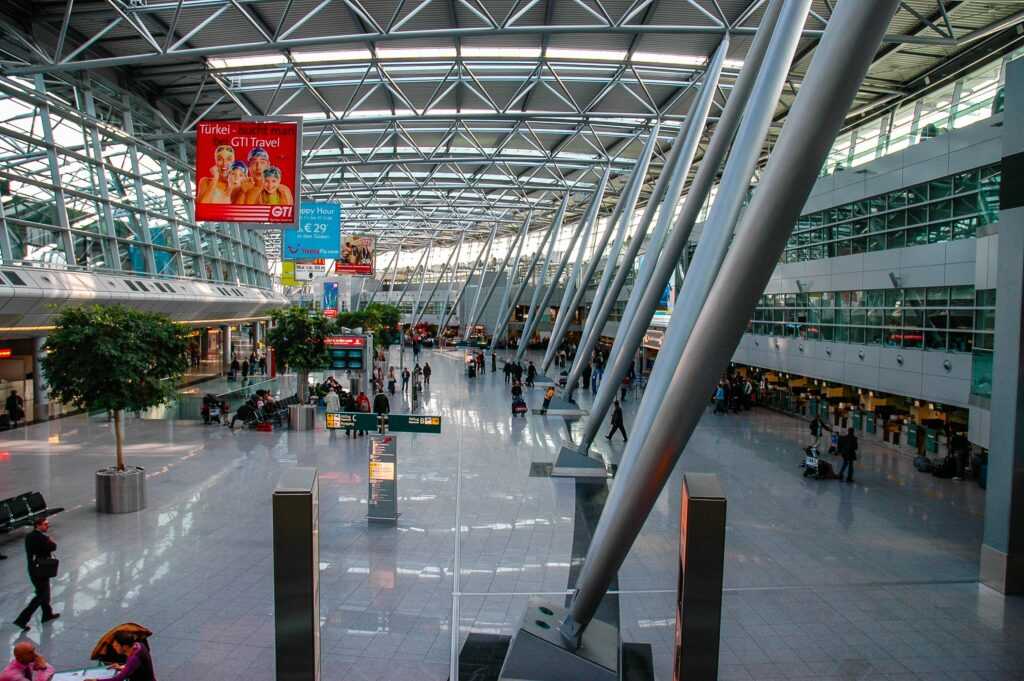
Commercial flight often tops the list of fears for many travelers despite having an impressive safety record. The industry operates under a microscope with every flight monitored and regulated by international agencies. This intense level of oversight has led to a dramatic decrease in accidents over the last few decades of global travel.
The training required for pilots and maintenance crews is rigorous and involves constant testing of emergency scenarios. Every component of an aircraft undergoes regular checks to ensure that the machine is functioning at peak performance. This culture of redundancy creates a protective shield around the millions of passengers who fly every day.
When you look at successful arrivals compared to rare instances of equipment failure, the data is overwhelming. You are statistically more likely to encounter an issue during your drive to the airport. Aviation remains a benchmark for safety because the industry treats every minor error as a vital lesson for prevention.
Safety Standards in Public Transit
Trains and buses offer a middle ground for those who prefer to stay on the ground while avoiding stress. Public transit systems are designed to move large numbers of people efficiently while adhering to strict safety mandates. These vehicles are operated by professionals who must meet high standards for licensing and medical evaluations.
Rail travel benefits from dedicated tracks that eliminate many variables found on standard public roadways and highways. Modern signaling systems and automatic braking technologies work together to prevent collisions and keep the journey on a predictable path. This structured environment significantly reduces the likelihood of human error leading to an incident during a trip.
Buses also maintain a strong safety record because they are built with heavy duty frames for passengers. While they share the road, their size and professional operators provide an extra layer of protection for everyone. Choosing public options is a smart way to reduce personal risk while contributing to efficient networks.
Navigating the Risks of Personal Vehicles
Passenger cars are the primary mode of transport for families, yet they represent the highest statistical risk. The volume of vehicles and varying skill levels of millions of individual drivers create a highly unpredictable environment. Unlike commercial transit, there is very little oversight regarding the daily maintenance or mental state of others.
Distracted driving and excessive speed are the leading causes of accidents that occur on local streets and highways. Even with modern features like lane assistance, the human element remains the most significant variable in any car trip. A split second of inattention from another person can change the outcome of your journey.
The physical design of a car offers less protection than a massive bus or a reinforced airplane. While safety ratings have improved, the forces in a high speed collision are more than a small frame can handle. Recognizing these inherent risks is vital for anyone who relies on their own vehicle.
Impact of Infrastructure and Regulation
The quality of roads and the strength of federal laws play a massive role in how safe journeys feel. Well maintained highways with clear signage and modern barrier designs are engineered to minimize damage caused by errors. Investing in better infrastructure is one of the most effective ways that a government protects citizens.
Regulations regarding vehicle manufacturing also ensure that every new car meets a baseline for crash protection and occupant safety. From air bags to crumple zones, these mandates are the result of years of testing and analysis. These laws push the entire industry toward better designs that save lives every day.
Enforcement of traffic laws provides another layer of security by removing dangerous behaviors from the public space. Sobriety checkpoints and speed cameras act as deterrents that encourage everyone to follow the rules of the road. A combination of smart design and strict oversight creates an environment where everyone reaches destinations safely.
Making Informed Choices for Future Trips
Deciding how to get from one place to another involves a balance of convenience and personal risk levels. By looking at the hard data, you can move past the emotional responses that cloud judgment about modern transit. Each mode of transportation offers its own set of benefits that you should weigh carefully.
The safest journeys are often those where professional oversight and mechanical redundancy are built into the foundation of the service. Whether you are booking a flight across the ocean or taking a train nearby, knowing the facts is empowering. It helps you feel more confident as you embark on new experiences.
The goal of reviewing this information is to help you feel secure when you are determining what is the safest way to travel. Focusing on the modes that prioritize passenger security ensures that your memories are defined by the destination. Stay informed and choose the paths that offer peace of mind.