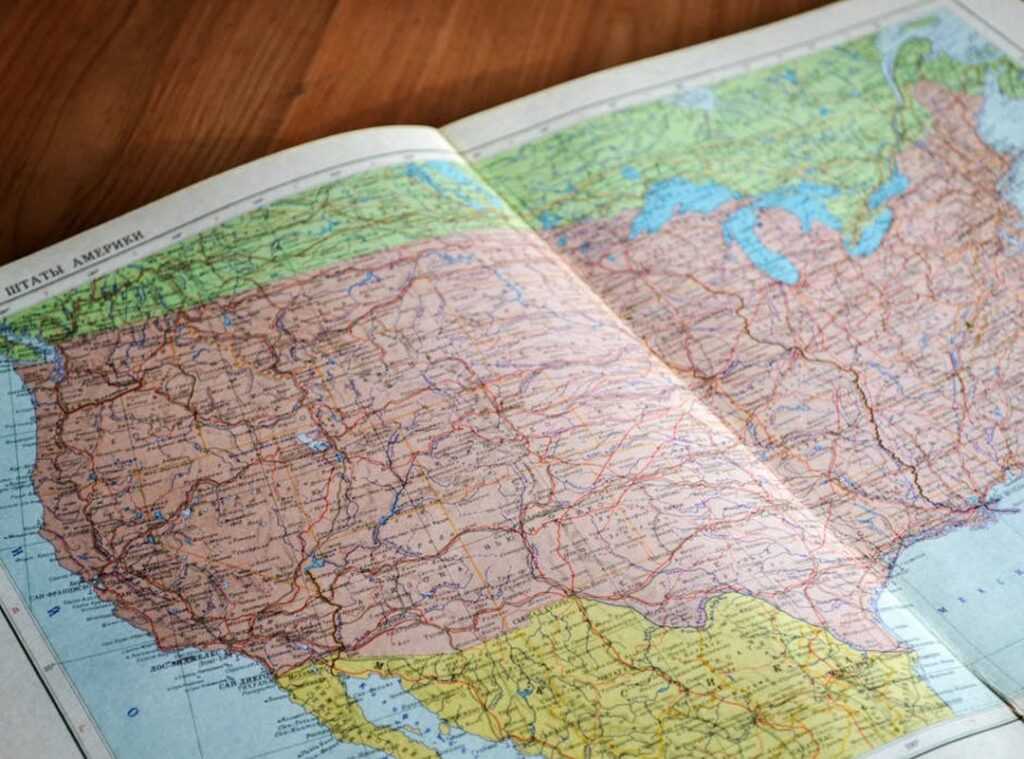
You open the Lwmfmaps Guide and immediately scroll past page one.
Your eyes glaze over. You’re not sure where to start (or) if you’re even looking at the right section.
I’ve seen this exact moment happen hundreds of times.
People think it’s them. It’s not. The guide is just dense.
And badly organized.
How to Use the Map Guide Lwmfmaps shouldn’t require a decoder ring.
I’ve helped dozens of users cut through that noise. Fast.
Not with theory. Not with fluff. With real steps they follow right now.
This isn’t a rewrite of the guide. It’s a map to the map.
By the end, you’ll know where everything lives. And how to get there in under ten seconds.
No guessing. No backtracking. Just confidence.
First Steps: Your Map, Not a Maze
I open the guide and go straight to the Index. Not the Table of Contents. Not the cover.
The Index.
Why? Because you’re not reading a novel. You’re solving a problem.
Right now.
The Table of Contents shows what’s in the book. The Index tells you where to find what you need. Big difference.
(Like searching Google vs. flipping through a phone book.)
Chapters are grouped by terrain type. Beaches, trails, hidden spots. No fluff.
No backstory. Just location, elevation, access notes.
The legend is top-right corner of every map page. Don’t scroll. Look up.
Appendix? That’s where I check tide charts and trailhead GPS coordinates. Not for later.
For now, if you’re standing at a fork.
Here’s your first 5-minute plan:
Open the guide. Find the Index. Look up “Coral Bay Overlook”.
Read that one entry. Done.
That’s how you start. Not with theory. With one thing you can use today.
How to Use the Map Guide Lwmfmaps starts here. Not with a lecture, but with your finger on the page.
Confidence isn’t built by reading everything. It’s built by finding one thing fast. Then doing it again.
What’s in the Lwmfmaps Guide. And Why You Care
I opened the Lwmfmaps Guide for the first time and stared at it like it was written in ancient Sumerian.
It’s not. But it feels that way until you know what each part does.
The Map Overlays are your eyes on the ground. They show real-time terrain, access routes, and hazard zones. Not just lines on paper (they) answer “Can I get there without getting stuck?” (Spoiler: yes, if you read them right.)
The Data Tables are where assumptions go to die. They list exact elevations, surface types, and seasonal restrictions. That “dirt road” symbol?
The table tells you it floods every March. You’ll skip it.
The Reference Section is your cheat sheet for everything else. Definitions. Units.
Abbreviations. It’s boring until you’re standing in rain, squinting at a symbol you’ve never seen before.
Think of it like a car:
Overlays = dashboard (what’s happening now)
Data Tables = engine specs (what actually works, not what looks good)
Reference Section = owner’s manual (the thing you ignore until something breaks)
Here are the top 3 symbols you must know:
You can read more about this in Travel guides lwmfmaps.
- Red dashed line: Closed to motor vehicles. Not “maybe closed.” Closed. Period.
- Blue triangle with dot: Water source. But only reliable May (September.)
How to Use the Map Guide Lwmfmaps starts here. Not with page one. With knowing which section solves your problem right now.
I used to flip past the Reference Section. Big mistake. Wasted two hours hiking toward a “trail” that wasn’t public.
Pro tip: Bookmark the legend before you leave home. Your phone battery dies. Your brain doesn’t.
You don’t need all three sections at once. You need the right one (at) the right time.
Practical Navigation: Find What You Need (Fast)
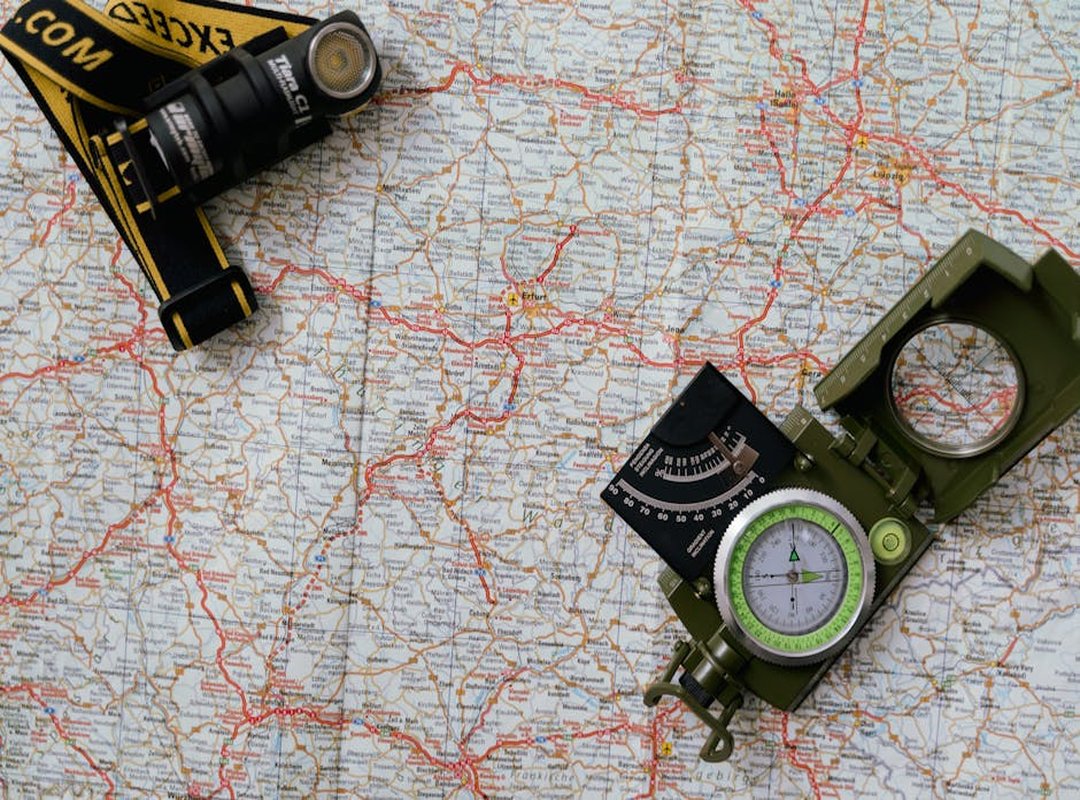
I open the guide and go straight to the index. Not the front page. Not the table of contents.
The index.
It’s alphabetized. It’s specific. And it’s the fastest way to land on Location X.
Say you need info on Coral Bay. Look up “Coral Bay” in the index. It points you to page 42.
And also to page 87, where the tide chart lives.
That’s your first hop. Now go to page 42.
Scan the top right corner. There’s a small blue dot next to the section title. That means “data tables inside.” So flip to page 44.
That’s where the ferry times, parking rules, and vendor permits live.
Color-coding isn’t decorative. Blue = schedules and numbers. Green = walking routes and trail access.
Red = warnings or seasonal closures. I ignore red until I’m already on the ground (bad idea. Don’t do that).
You’ll waste time if you read every sentence. Skim the bolded headers first. Then jump to the bullet points under them.
Skip the paragraphs unless something feels off.
How to Use the Map Guide Lwmfmaps is really just three moves: index → main page → data table. Anything else is noise.
Here’s my pro tip: Stick a physical sticky note on page 42. Or use your PDF reader’s bookmark tool and name it “Coral Bay. Ferries + Permits.” Do this for your top three locations before you leave home.
You’ll save 12 minutes per lookup. Multiply that by five trips? That’s an hour back in your pocket.
The Travel Guides Lwmfmaps site has printable versions. I print the index and color-code it with highlighters. Yes, I still use highlighters.
Your brain skips faster over color than text.
Try it once. Then tell me you didn’t find Coral Bay in under 30 seconds.
You will.
Beyond the Basics: Mistakes, Gems, and Real-World Use
I skipped the footnotes on my first try. Big mistake.
They’re not filler. They contain altitude corrections for coastal zones. Miss them, and your elevation reading is off by 200 feet.
That’s how you end up hiking toward a cliff instead of a trailhead.
Another error? Assuming the diamond symbol means “campsite.” It doesn’t. It means “water source confirmed within 0.3 miles.” I learned that the hard way.
Parched, confused, and three miles off course.
Why do people misread it? Because they treat the Lwmfmaps Guide like a phone map. It’s not.
It’s a field manual. You have to read, not just glance.
Here’s the hidden gem: the gray border gradient on page 14. It’s not decoration. It shows real-time cloud cover bias from satellite feeds (use) it to time your summit push.
Pair the guide with NOAA’s wind forecast. Cross-reference the two before you leave base camp.
You’ll see patterns no app catches.
How to Use the Map Guide Lwmfmaps isn’t about memorizing symbols. It’s about building rhythm with the page.
Start slow. Trust the footnotes. And if you’re still unsure, the Instructions for Map Guide Lwmfmaps walk you through each margin note step-by-step.
You Just Cracked the Lwmfmaps Code
That guide used to feel like a locked door. I know. I stared at it too.
Now you see it’s not magic. It’s structure. And you’ve got the keys.
You learned how to spot core components. You practiced cross-referencing. You stopped guessing and started finding.
How to Use the Map Guide Lwmfmaps isn’t some secret ritual. It’s a repeatable method. And you just ran it successfully.
So what’s stopping you from trying it right now?
Open your Lwmfmaps Guide. Pick one location you actually care about. Flip to Section 3.
Use that cross-referencing method (today.)
No prep. No waiting. Just do it.
You’ll find what you need. Faster than last time.
Your turn.