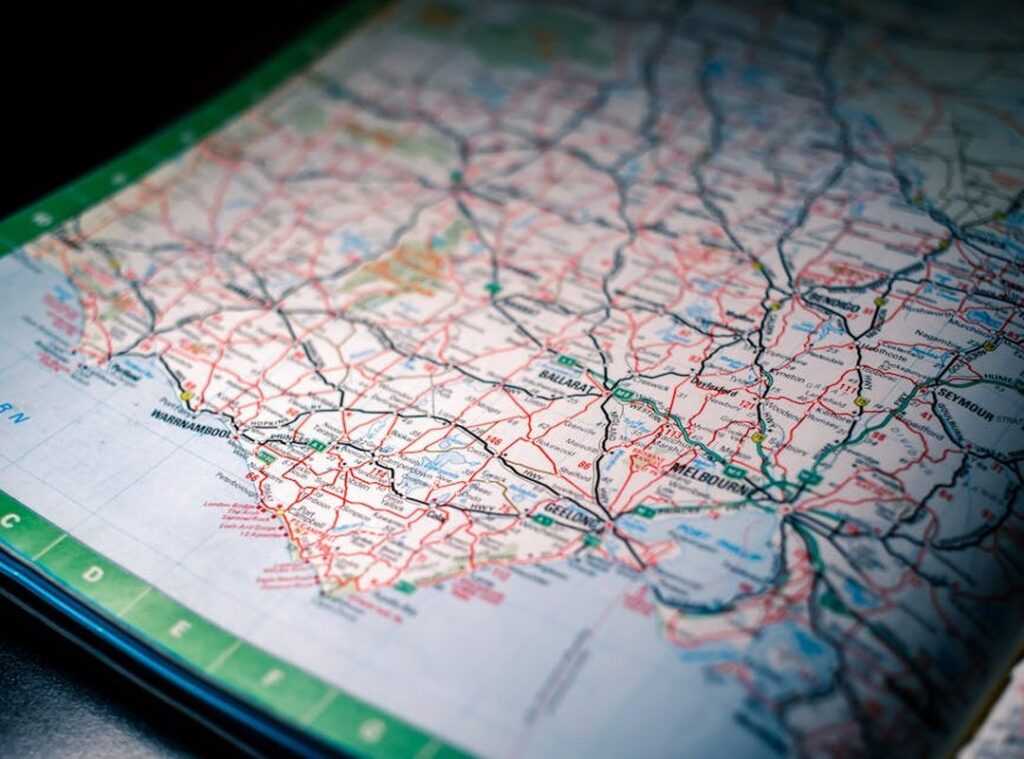
You’ve been there. Standing in the middle of a hospital corridor with no idea which wing holds the MRI suite. Or circling an industrial park for twelve minutes because the “map” on your phone shows nothing but parking lots and vague building outlines.
That’s not navigation. That’s guesswork.
Lwmfmaps are not just visual aids; they’re operational infrastructure. They’re layered. Web-based.
Interactive. Built for places where streets don’t exist (and) GPS fails.
Static PDFs? Useless when you need to reroute for construction. Generic GIS tools?
They don’t know your wheelchair needs. Or where fire exits actually open.
I’ve deployed and tested dozens of these maps across hospitals, campuses, airports, and factories. Not in theory. In rain, in rush hour, in power-outage drills.
I’ve watched people miss appointments, delay maintenance, and waste hours because their map couldn’t answer one simple question: How do I get from here to there. Right now?
This article cuts through the jargon. No fluff. No vendor hype.
Just how Lwmfmaps actually work. And why they matter when real people are walking, rolling, or running through real spaces.
You’ll walk away knowing exactly what they are, where they succeed, and where they fall short.
LWMF Maps vs. Everything Else You’ve Tried
I used static floor plans for years. They’re dead on arrival. No updates.
No interactivity. Just a PDF you print and tape to a wall (which nobody does anymore).
Enterprise GIS? Same problem. But with more jargon.
Over-engineered. Built for cartographers, not custodians or students trying to find Room 304.
LWMF maps are different. They’re vector-based flexible layers, not raster images. That means HVAC zones, Wi-Fi coverage, ADA routes (all) live, zoomable, editable without pixelation.
Each feature carries embedded metadata. A room isn’t just a polygon. It knows its type.
Its current occupancy. When maintenance is due.
And it’s API-first. Not “API-friendly.” Not “has an API.” It starts with the API (so) your building management system talks to it. So your campus app pulls real-time pathing.
A university rerouted 2,000 students during unplanned construction. Updated paths in under five minutes. Not days.
Not hours.
That’s not magic. It’s how Lwmfmaps are built. Using open standards like GeoJSON and Web Mercator.
It’s not software you buy. It’s a pattern. A specification.
A way to map that actually works.
You don’t need another dashboard. You need this.
Static maps lie. GIS confuses. LWMF maps just work.
Where Lwmfmaps Actually Move the Needle
I’ve watched teams waste months on indoor maps that look slick but do nothing real.
Most off-the-shelf tools? They’re wallpaper. Pretty lines.
No metadata depth. No agility. You update a floor plan and wait three weeks for IT to push it live.
Meanwhile, your fire drill routes are outdated.
Emergency response coordination is where it hits hardest. Fire departments overlay live sensor data (smoke,) door status, CO levels (on) evacuation paths. Hospitals report 37% faster code-blue response times when maps sync with nurse call systems.
That’s not theoretical. That’s lives.
Facility ops? Real-time equipment location + maintenance history pinned to map points. No more walking past broken HVAC units because the ticket system forgot to flag them.
Accessibility compliance isn’t checkbox work. Filter for elevator-only paths. Show tactile signage locations.
Highlight hearing loop zones. HR uses this during onboarding. Security overlays access control.
Sustainability teams map energy zones against foot traffic.
Visitor and staff onboarding gets real with interactive self-guided tours. Pop-ups trigger based on location (not) time. A new hire walks into the lab and instantly sees who’s on shift, what protocols apply, and where the nearest eyewash station is.
Space utilization analytics tie heatmaps to calendar data. You see which conference rooms are booked but empty (and) which “collab zones” are just glorified coat racks.
Cross-departmental impact isn’t buzzword fluff. It’s HR, security, facilities, and sustainability all pulling from one source of truth.
Lwmfmaps delivers that. Nothing else does.
Building a Real Lwmfmap (Not) a Pretty Picture
I’ve watched too many teams treat mapping like interior design. It’s not about making it look clean. It’s about making it work when someone’s lost, stressed, or in a wheelchair.
Phase one is the spatial audit. I measure door swing directions. Stair widths.
I covered this topic over in this guide.
Beacon placement height. CAD files lie. Always verify on-site (and yes, that means standing in the ER hallway at 3 a.m. with a tape measure).
Then layer taxonomy. Not “floors” and “rooms.” Think Safety, Services, Infrastructure (categories) you can reuse across buildings. If your taxonomy changes every time you open the file, you’ve already failed.
Metadata schema comes next. Fields like “last inspected” or “wheelchair turn radius” aren’t nice-to-haves. They’re required.
Skip them and you’ll get a map that looks right but fails real use.
Integration testing? That’s where live BMS or directory feeds either connect. Or don’t.
Don’t assume they’ll just work.
Maintenance isn’t optional. It’s version-controlled. Role-based.
Auto-validated for broken links or drifted coordinates.
Skip accessibility annotation during digitization? You’ll rebuild it later.
Overload layers? Your map chokes on mobile.
Assume CAD is accurate? You’ll misroute an ambulance.
Pro tip: Start with one high-impact zone. The ER wing. The main lobby.
Get it right there first.
The Map Guide Lwmfmaps From Lookwhatmomfound walks through this step-by-step. No fluff, no assumptions.
Build slow. Build right. Then scale.
Map Vendors vs. In-House Tools: Ask These Six Questions
You’re choosing a mapping solution. Not a toy app. A tool people rely on during emergencies.
Can users filter and export filtered results? (Like “lactation rooms with real-time availability.”) If not, you’ll waste hours copying data by hand.
Does it work offline? First responders don’t get Wi-Fi in basements or tunnels. Offline mode isn’t optional. It’s baseline.
Can non-technical staff edit metadata? If only devs can update room names or statuses, you’ll wait days for simple fixes.
How do you fix bad coordinates after launch? Manual re-digitization every year? That’s a red flag.
And per-layer fees? Run.
How fast can you roll out a new layer? If it takes more than two hours, your ops team will bypass the system entirely.
Does it pass WCAG 2.1 AA? If screen readers stumble or keyboard navigation breaks, it’s illegal (and) useless (for) part of your staff.
Vendors who won’t demo live integrations? Skip them.
Open-source stacks like Leaflet can work (but) only if someone owns the spatial data stewardship. Not just writes code.
Lwmfmaps? I’ve seen teams pick flashy vendors and regret it six months in.
Build slow. Choose deliberate.
Launch Your First LWMF Map. Start Small, Scale With Confidence
I’ve seen what bad maps do to people. They slow down responders. They confuse visitors.
They hide accessibility gaps until someone trips (or) worse.
You don’t need perfection. You need Lwmfmaps that work today.
Not every map has to cover the whole campus. Start with one place where clarity matters most. Emergency egress path.
Visitor welcome zone. Equipment service hub. Pick one.
Audit its current map. Is it outdated? Hard to update?
Buried in a PDF no one opens?
Then use the checklist from section 4. Draft your layer taxonomy. Just three layers.
Just five minutes.
The best LWMF Map isn’t the most detailed one. It’s the first one that solves a real problem, today.
So pick your spot. Open the checklist. Build that first map.
You’ll know it’s right when someone uses it (without) asking for help.