Best Time to Shoot in Seychelles
The Seychelles are generous with light, but not all hours are created equal. Golden hours about an hour after sunrise and before sunset are where the real magic happens. These windows soften the landscape, cut glare off the water, and wrap the islands in warm, clean light. On La Digue, for example, morning sun hits the pink granite at Anse Source d’Argent just right. In the evening, the west facing beaches on Mahé light up like they’re on fire.
But golden hour isn’t a fixed thing here. The position of the islands, near the equator, means light shifts fast. You don’t get long, lingering twilights. So have your gear set, know your frame, and be ready before the light even breaks.
Seasonal changes matter too. During the northwest monsoon (roughly November to March), mornings are clearer and dryer ideal for shooting the calm side of the islands. The southeast monsoon (May to September) brings wind, shifting tides, and sometimes misty drama. Not ideal for drone footage, but perfect for moody coastal stills.
Clouds can be a gift or a nuisance. A rolling bank can add texture and scale, throwing shadows that carve into forest canopy or cliffside. But thick overcast? It’ll flatten your colors and kill contrast. In short: chase early light, know the season, and hope the clouds play nice.
Top Locations Worth the Hype
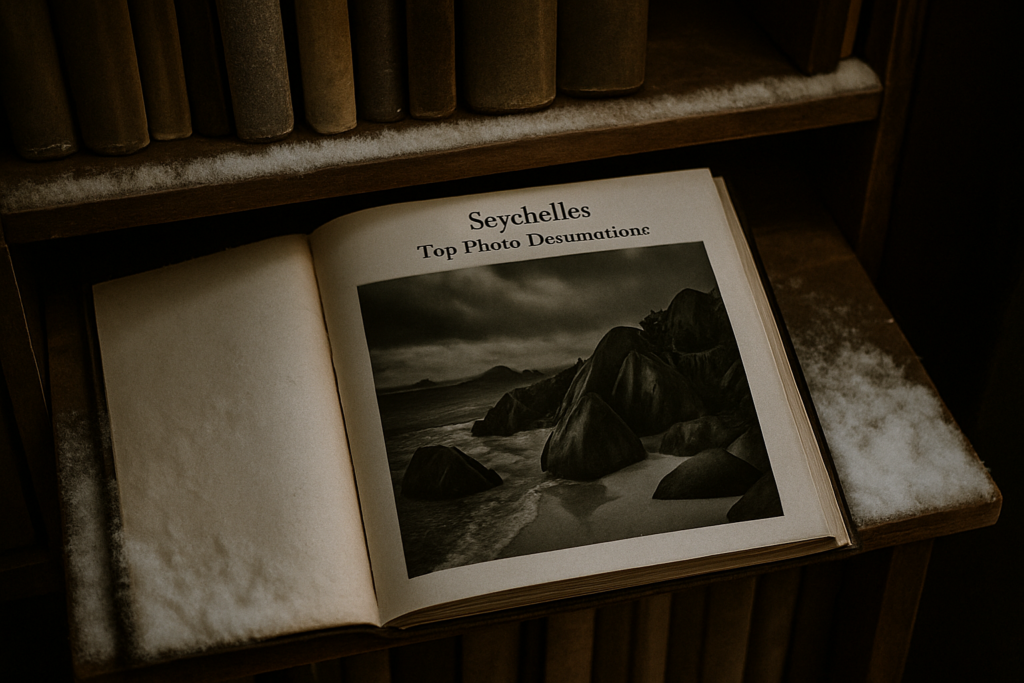
Start with the legends. Anse Source d’Argent on La Digue isn’t just photogenic it’s sculpted light and stone. Early morning gives you soft gold spilling between granite boulders and shallow turquoise water. Don’t shoot it flat and wide. Get close. Frame the curves in the rocks, the play of water over sand, and the shadows pulling tension through the shot.
Over on Curieuse Island, it’s about contrast. Red earth, green mangroves, giant tortoises moving slowly through both. This is where patience pays off. Choose your vantage point, wait. Let form, texture, and wildlife align. A macro lens is your friend here there’s detail in every inch if you look closely enough.
Morne Seychellois, the highest elevation in the archipelago, shifts the tone entirely. Mist drifts across steep jungle ridges, branches fracture light overhead, and hiking trails open up to vistas that feel untouched. It’s wild, quiet, hard to reach and it rewards photographers who can handle a bit of sweat in their search for perspective.
Beyond these staples, keep your lens ready between the destinations. Island hopping like this guide recommends—means constantly changing environments. You’ll stumble across low tide reef textures, mangrove root patterns, even rare birds if you stay alert. These aren’t the images you’ll find on postcards or Instagram reels. Which is exactly the point.
Gear That Works in Humid Paradise
Seychelles is stunning but also brutally humid, with sudden downpours that arrive unannounced. If your gear isn’t sealed or protected, you’re gambling. A basic rain cover or weatherproof shell for your camera is non negotiable. Even a simple ziplock bag in your kit can save a lens when clouds turn fast.
When it comes to optics, pack smart. A wide angle lens (think 14 24mm) captures those big beach horizons and dramatic rock formations that Seychelles is famous for. Want shots of tiny orchids or up close textures in coral? A macro lens (around 100mm) brings out fine detail in flora without getting too close and disturbing the scene.
Travel light. Humidity drains energy and heavy gear quickly becomes a burden. One mirrorless body with two solid lenses usually does the trick. A lightweight tripod helps for sunrise or long exposures, but make it carbon fiber. And don’t forget extra batteries tropics drain them faster than you think.
Less kit, more focus. That’s the mantra out here.
Shooting Tips That Go Beyond Auto Mode
Capturing Seychelles in its full glory requires more than a quick push of the shutter button. This tropical archipelago offers extreme diversity in scenery from towering granite cliffs and dense jungles to open coastlines and tranquil lagoons. To do it justice, you’ll need to combine technical awareness with deep observation. Here’s how.
Frame for Scale and Intimacy
Seychelles is both vast and intricate. Knowing how to switch between those two perspectives will elevate your photography instantly.
Use leading lines (shorelines, jungle paths, pier structures) to draw the viewer’s eye into the frame.
Include scale references, such as people or boats, to show the massive size of rock formations or beaches.
Capture textures up close, like palm bark or weathered stone, to contrast against wide scenic shots.
Natural Color, Minimal Editing
The colors of Seychelles turquoise waters, emerald forests, golden sands often don’t need embellishment.
Shoot during golden hour or when cloud cover softens harsh daytime light.
Adjust white balance manually to avoid washed out blues and greens.
Use polarized filters to naturally boost color and detail without post processing.
Mastering the Light
Light in Seychelles changes fast, especially along coasts and beneath dense canopies. Learning to predict and respond to these changes will sharpen your skills.
Use aperture priority mode when dealing with moving light sources like sun dappled forests.
Watch the shadows they move quickly and change the entire mood of your shot in seconds.
Bracket exposures if you’re unsure better to have options than miss a perfect balance.
Wildlife: Position & Patience
Capturing wildlife here whether it’s a giant tortoise ambling across a beach or a rare bird perched overhead requires both technique and time.
Stay quiet and still. Let the subject come to you when possible.
Use zoom lenses and spot metering to isolate the animal from busy foliage.
Wait for eye contact or expressive moments they give the scene a sense of personality.
Smart shooting in Seychelles comes down to being alert, adaptable, and respectful of the living world around you. Let the island dictate the pace, and the moments will appear.
Ethical and Cultural Awareness Behind the Lens
Seychelles isn’t just a backdrop for your next killer photo dump it’s home for many, both human and wild. That means stepping lightly, looking closely, and knowing when not to shoot. Respect isn’t a trend, it’s a baseline.
Start with people. Don’t treat locals like props for your travel aesthetic. Ask before photographing individuals or small communities, especially at cultural or religious sites. Just because you have a camera doesn’t mean you belong behind it all the time.
Natural spaces are sacred too. Some beaches, reefs, or trees host endangered species that don’t need your tripod in their face. Zoom in with care, use longer lenses when appropriate, and never disrupt animal behavior for a better shot.
And yes leave no trace. That includes your gear, your footprints, and definitely your drone batteries. Coral can take years to recover from just one careless stamp. If you’re wading into shallow waters for a shot, rethink it. You’re not the only one trying to coexist here.
Compact rule of thumb? If something feels off, it probably is. Some of the strongest photographs come from moments when we decide to put the camera down.
Build a Story, Not Just a Slide Deck
Seychelles is more than its turquoise water and powdery beaches. If all you’re doing is grabbing postcard shots, you’re missing the soul. A strong photo series from this place captures the blend grand landscapes, yes, but also the rhythm of life in villages, a fisherman hauling his catch, a vendor slicing coconut under the sun, or kids jumping from a dock. These are the frames that give your story meaning.
Good travel photography leans into nuance. Look for shadows stretching across jungle paths, limestone eroded by decades of waves, the human imprint on nature sometimes subtle, sometimes bold. Notice how people interact with the land. Go candid, keep your camera quiet. The best shots often come from waiting, not chasing.
So next time you line up your composition, ask: what’s the story here not just the scenery? Depth beats dazzle every time. Want more on telling real stories through your lens? Check out this deep guide on photographing Seychelles.
Wrap It with Purpose
Shooting for print and shooting for digital aren’t the same game. Print favors detail every pixel and color tone matters. What reads strong on digital might look flat or noisy on paper, especially in large formats. Think clean composition, precise focus, and natural light that doesn’t blow out your highlights. On the other hand, digital allows for a bit more flexibility in exposure and editing. It’s faster, it scrolls every photo in a digital gallery is part of a rolling rhythm, not a standalone centerpiece.
But format aside, cohesion is everything. Pay attention to your arc. A portfolio from Seychelles should move it should carry the quiet slowness of the beach, the thick breath of mangrove air, the curve of a fisherman’s net mid throw. Don’t just collect images. Arrange them to tell a mood. Let a single burst of red sarong in a sea of blue lead the eye to your next frame. Use negative space. Show contrast.
This place has a pulse. Humble but powerful. Your camera’s job is not just to show the beauty but to feel it. Let your lens reflect that sense of balance: stillness without emptiness, grandeur without noise. The calm. The humility. And yes, the undeniable force of nature the islands carry like second skin.