The dramatic coastlines create a living theatre in which the movement is determined by the tides and the behaviour is redefined by the seasons. The coast of Scotland is the home of an astonishing variety of mammals and birds, whose habits reward patience rather than speed. The timing is as important as the location since every species has its own clock which depends on the breeding seasons, food supply, and changing sunlight. Those who plan carefully often have a better experience than those who simply count on chance encounters.
Visitors will be inclined to find accommodation in places with minimal traffic in order to make the most of the sightseeing opportunities without interruption. Remote access to coastal lochs or ferry routes to islands enable morning visits and evening departures without haste. This is one of the reasons why many tourists stay in lodges in Scotland preferring closeness to convenience. From these bases, wildlife watching becomes part of daily rhythm rather than a rushed excursion between other plans.
Grey and Harbour Seals Along the Shore
Scottish seas are dominated by two kinds of seals, each of which requires slightly different circumstances. Grey seals like exposed shores with rocky platforms to rest between foraging expeditions. Harbour seals are more likely to be found near populated areas and prefer protected inlets and sandy banks.
Grey seal pups make dramatic appearances on remote beaches during the winter. When adults haul out around low tide in the summer, the interactions are calmer. Animals remain calm while quietly observed from a distance, allowing their natural behaviour to continue unhindered.
Prime Seal Watching Locations
One of the biggest harbour seal populations in Europe is found in the Moray Firth, particularly in the vicinity of tidal sandbanks. Further west, the Inner Hebrides offer rocky haul out areas where binoculars might reveal subtle interactions. Thriving colonies can also be found around Orkney’s coasts, especially in the vicinity of more sedate islands with restricted access.
Puffins and the Pulse of the Seabird Season
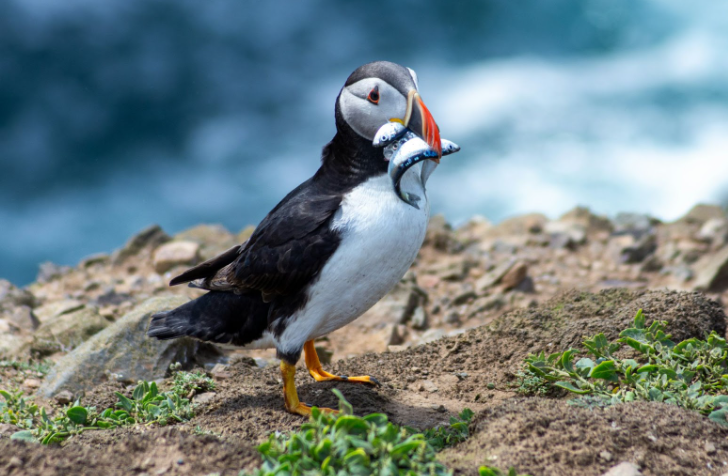
Coastal tourists love puffins because of their vivid beaks and rapid wingbeats. These birds only come ashore to nest; they spend the majority of their lives at sea. Their presence is signalled by spring, which typically begins in late April when colonies start to make a lot of noise.
Near the shore, grassy slopes and cliff ledges transform into transient communities teeming with activity. Watching puffins necessitates firm footing and respect for nesting grounds. Strong winds keep birds offshore for longer, so calm weather enhances viewing.
Islands Known for Puffin Colonies
Staffa is notable for its puffin burrows and striking basalt structures. During the busiest months, the Treshnish Isles can be seen up close, frequently from small boats. The Isle of May offers organised access with well-defined routes that safeguard delicate terrain on the east shore.
Otters in Sea Lochs and Estuaries
Otters, unlike seals and puffins, require patience and quiet. These elusive creatures frequently make fleeting appearances before disappearing under kelp beds as they follow shorelines in quest of fish and crustaceans. Chances are better in the early morning or late evening, especially when the weather is calm.
As young animals learn to hunt on their own, activity levels rise in the spring and autumn. Rain can even be beneficial because moisture promotes travel along preferred paths.
Best Regions for Otter Encounters
Otters are usually found near voes and rocky bays in Shetland, where there is one of the highest populations. The west coast mainland is also an excellent area where there are good opportunities, particularly in and around sea lochs where freshwater and saltwater meet. Mull has been popular among ardent viewers who are ready to wait patiently.
Seasonal Planning for Wildlife Spotting
The length of daylight and the temperature of the water affect each species in a distinct way. Seals are present year-round, with the most dramatic seasons occurring in the winter when they are pupping, while puffins dominate late spring and early summer. Otters completely disregard calendars and reward people who modify their routines instead of anticipating consistency.
Rather than rigid itineraries, weather awareness increases success. Viewings are always improved by calm waters, light, and minimal noise. If you want to see Scotland’s coastal wildlife in its purest form, flexibility is still the most important tool.