
Know Before You Go
If you’re aiming to hop Fiji’s islands without the crowds or downpours, plan for May through October. That’s dry season less rain, cooler temps, and calmer seas. It’s also peak tourist time, so book transport and stays early if you don’t love uncertainty. November to April brings rain and the chance of cyclones, but you’ll find fewer tourists and some great deals. Up to you to gamble on weather for less foot traffic.
To enter Fiji, most travelers need just a valid passport and proof of onward travel. For now, no tourist visa is required if you’re from one of 100+ visa exempt countries. Just keep an eye on flight requirements they can shift quicker than trade winds.
Fiji uses the Fijian Dollar (FJD). Exchange rates at the airport are usually worse than what you’ll find in town, so plan accordingly. Credit cards work in resorts and main towns, but always carry some cash for ferries, markets, or local eats.
Health wise, Fiji’s chill but not careless. Pack reef safe sunscreen, bug spray, and basic meds. Tap water is questionable outside of big hotels stick with bottled if in doubt. No required vaccines, but check your regulars are up to date.
So how many days do you actually need? Ten days is the sweet spot. A week is doable, but tight. Anything less, and you’ll be chasing boats instead of soaking in the slow paced island life. Give yourself that breathing room. The magic’s in the drift.
Choose Your Route Wisely
Fiji isn’t just one tropical island it’s over 300. But don’t let that overwhelm you. Most island hoppers stick to a few key regions, each with its own flavor.
The Yasawas are rugged and remote, good for unplugging. Think cliff hikes, dreamy lagoons, and far fewer crowds. Perfect if you want peace with a side of adventure. The Mamanucas are more polished great for first timers or anyone looking for smooth sailing between luxury stays, surf breaks, and beach bars. Then there’s the Lau group, a string of islands way off the beaten path. These are harder to reach, but if culture, seclusion, and raw beauty are your thing, Lau delivers.
Choosing the right chain matters. Want romance and sunset dinners? Go Mamanucas. Looking for thrill and solitude? Yasawas. Crave time stopped villages and crystal clear silence? Lau or further out. Match your vibe, not your Instagram feed.
And here’s the big one: don’t rush. Island hopping works best when you go slow. More days means fewer transfers, lower stress, and deeper connection with the people and the pace of each place. Let itineraries breathe. Fiji rewards travelers who aren’t in a hurry.
Need help building a route that fits your kind of trip? This Fiji island hopping guide lays it all out.
Get Your Transport Right
Fiji’s islands aren’t going to hop themselves. Choosing the right transport is the backbone of your trip and it starts with understanding what each mode offers.
Ferry networks are the go to for budget travelers and those embracing the slow travel vibe. Routes like the Yasawa Flyer run daily and connect you to the main backpacker and mid range island spots. No frills, but affordable and predictable. Just know these ferries follow strict schedules and don’t stop everywhere, so flexibility is limited.
Private boat charters are the opposite: pricey, but tailored. Great for groups, honeymoons, or if you want to access less touristed islands on your own timeline. You’re paying for freedom just be sure to vet the operator and check weather forecasts.
And then there are domestic flights. Short hops from Nadi or Suva to islands like Taveuni or Kadavu can save hours of travel. Worth it? Depends. If your destination is remote or you’re pressed for time, yes. Just factor in Fijian weather delays happen, and smaller planes mean limited baggage and flexibility.
Booking wisely matters. Avoid last minute ferry rushes by reserving online through operators or your accommodation. For flights, plan early and leave buffer time around connections. And if you snag a charter, get written confirmation, and clarify what’s included fuel, crew tips, transfers.
Bottom line: match your transport to your style of travel, and don’t cut corners on logistics. Boats and planes in Fiji don’t run on mainland urgency. They run on island time.
Pack Smart, Pack Light
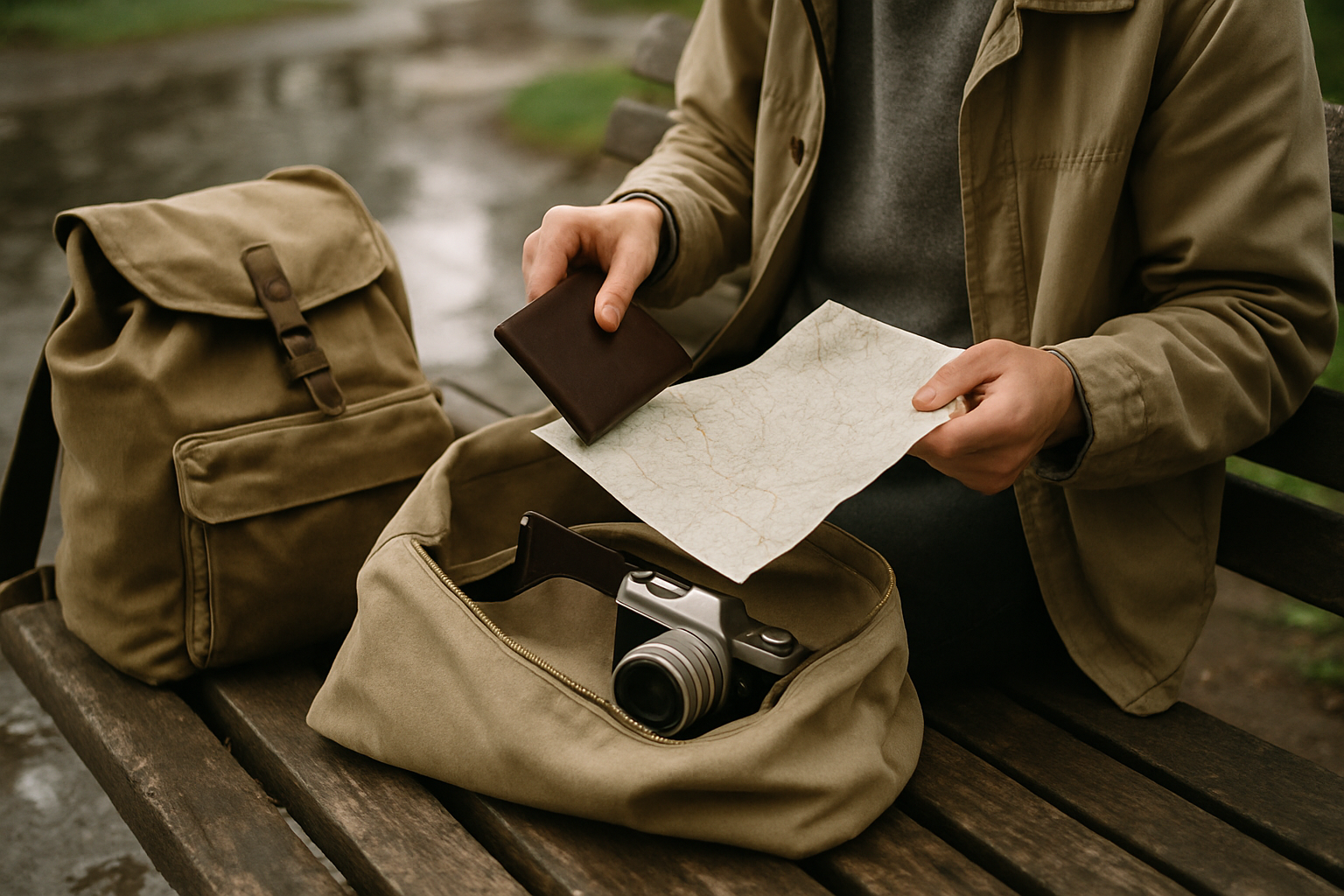
Island hopping in Fiji isn’t about hauling a suitcase from beach to boat to bungalow. It’s about moving light and fast with the right gear that earns its keep. First, reef shoes. Coral cuts aren’t fun, and these slip ons will save your feet (and your trip) when trekking across rocky shorelines or slippery docks.
Next, you want clothes that can deal with the heat and water. Quick dry shirts, swim friendly shorts, and a solid sun hoodie go a long way. Add in a wide brimmed hat and high SPF sunscreen especially reef safe, since Fiji’s marine life deserves care.
But the unsung hero? A waterproof daypack. It’s your daily carry all: phone, camera, towel, snacks, and whatever else you don’t want soaked on the next boat ride. Bonus points if it has a dry compartment for electronics. Forget it, and you’ll either be paranoid all day or worse, replacing your gear halfway through the trip.
Smart packing means less stress and lighter footprints. And that’s what island adventures should be all about.
Where To Stay and Why It Matters
When it comes to finding where to sleep between sunrises, you’ve got two main choices: polished resorts or low key local guesthouses. Resorts give you the full comfort zone pools, buffets, air con, maybe even a spa. They’re solid if you’re after convenience and a smoother ride. But if you want a deeper connection to the place and its people, guesthouses have soul. You’ll trade a few luxuries for authentic meals, homegrown tips, and easy chats with locals over breakfast.
Food isn’t usually an issue, but know this: most spots, especially outer island stays, include meals because there’s nowhere else to eat. Expect lots of fresh fish, root veggies, and fruity desserts. Tap water’s hit or miss stick to bottled unless your host gives the green light. As for Wi Fi, it’s around, but patchy. Uploading that drone footage might need to wait a day.
Hidden gems don’t book themselves. For less touristed islands, check local forums, backpacker blogs, or peer to peer booking apps. Grab spots early if you’re gunning for peak season or anywhere with just a handful of rooms. Popular islands? They fill fast book weeks ahead or risk bouncing from beach to beach looking for a bed.
Must Visit Spots You Don’t Want to Skip
Start with the Yasawa Islands clear water, dramatic cliffs, and some of the best snorkeling in Fiji. You’ll find reef walls teeming with color just a few fins from shore. If you’re more into waves, head to the Mamanucas. There, names like Cloudbreak and Wilkes Passage draw surfers from all over, but there’s fun for all levels. Bring your board or rent one locally.
Past the beaches, make time for cultural stops. Villages in islands like Naviti or Waya offer a quiet look into Fijian life traditional welcomes, craftwork, and shared meals that beat any resort buffet.
If unplugging is your goal, check out more remote islands in the Lau group or smaller spots in the north. These places aren’t fancy, but they’re real. No crowds, just you, the ocean, and a few curious turtles.
For more sandy details and secret coves, check out Fiji’s top beaches and map out where you’ll lay your towel next.
Tips for a Smoother Adventure
Don’t Overstuff the Itinerary
Island hopping in Fiji sounds like a dream and it is but trying to hit every island on the map will wear you out fast. Most travelers overplan and end up spending more time packing and ferry hopping than enjoying the actual beaches. Stick to 2 3 island groups max. Give yourself at least two nights per island so you’re not always on the move. The magic of Fiji lies in its slower rhythm.
Respect the Place and the People
Fiji isn’t just a backdrop for your Instagram reel it’s home to a rich culture and deep community values. Dress modestly when visiting villages. Ask before snapping photos. Don’t leave trash behind, and steer clear of coral when snorkeling. Fijians are famously welcoming, and a little respect goes a long way.
Budget Without Killing the Vibe
Yes, Fiji can be pricey. But no, you don’t have to break the bank. Book combo ferry passes instead of separate tickets, eat local (you’ll find insane curries and fresh seafood), and mix up your stays. Splurge on a beachfront bure one night, then go budget with a dorm or guesthouse the next. Look for island packages that include meals and activities it often adds up cheaper than piecing it out.
Adventure’s great, but smooth travel is better. Keep it light, keep it respectful, and keep your budget tight.