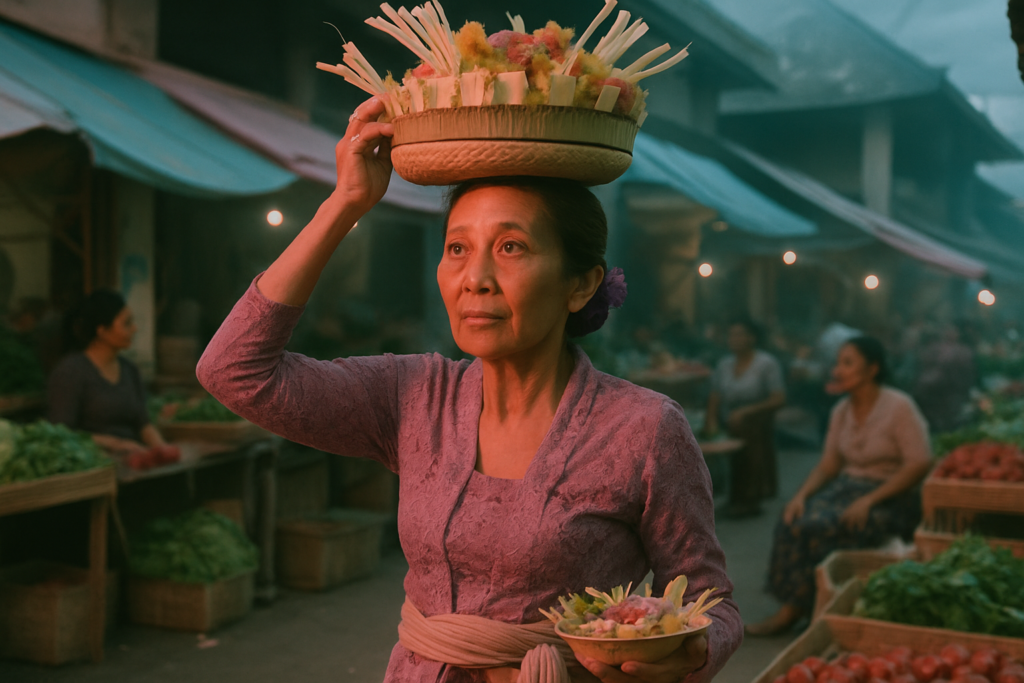
Explore Timeless Balinese Ceremonies
Bali’s temple ceremonies offer a rare glimpse into the island’s deeply spiritual way of life. These vibrant, centuries old rituals are more than just cultural events they are living expressions of Bali’s community values, religious beliefs, and artistic heritage.
Why You Should Witness a Temple Ceremony
Attending a temple ceremony in Bali is not just another item to check off your itinerary. It’s an invitation into the spiritual heart of the island:
Connect with Bali’s sacred traditions by observing rituals that mark life passages and religious cycles.
Experience live music, intricate offerings, and traditional performances that bring temples to life.
Gain deeper cultural awareness by seeing how Balinese Hinduism shapes daily life and community rhythm.
Ceremony Etiquette: How to Participate Respectfully
Before attending a temple ceremony, take time to understand the local etiquette. Respect is essential:
Dress modestly: Men and women should wear sarongs and sashes, with shoulders and knees covered.
Observe rather than interrupt: Photography may be allowed, but always ask for permission first.
Stay quiet and be mindful while prayers are taking place. Avoid pointing your feet toward the altar or sacred objects.
When to Attend: Best Times for Temple Festivals
Bali’s temples celebrate odalan, or anniversary festivals, based on the 210 day Balinese Pawukon calendar. These celebrations vary by temple, so timing your trip can enhance your experience.
Most ceremonies last several days, often peaking with colorful processions, shadow puppet shows, and community feasts.
Major odalan celebrations take place at iconic temples like Besakih, Uluwatu, and Tanah Lot but you’ll find equally meaningful experiences at smaller village temples.
Tip: Plan early and ask locals or your accommodation for upcoming temple event dates, especially around Galungan and Kuningan, two of Bali’s most important religious holidays.
For a Deeper Cultural Dive
To fully appreciate what you’re seeing, take time to learn the cultural significance behind the rituals. The Balinese culture guide offers insight into the philosophical roots, symbolism, and variations of temple life across the island.
Exploring temple ceremonies with awareness transforms your role from tourist to guest one who’s welcomed into the circle, if only for a moment.
Participate in a Local Cooking Class
Balinese food hits a different note rich, fiery, earthy. It leans heavily on local herbs, freshly ground spices, and that signature balance of sweet, salty, sour, and umami. What makes it stand out isn’t just the taste, but the ritual. It’s food meant to be shared, offered, celebrated. Cooking here isn’t rushed it’s layered, almost poetic.
Joining a village based cooking class takes you beyond the plate. You’ll grind spices by hand on a stone mortar, pick herbs from someone’s backyard, and cook over wood fire. It’s not about perfect knife skills or restaurant plating. It’s learning how the locals do it intuitively, bare handed, and in rhythm with tradition.
You’ll likely make dishes like lawar (a mix of veggies, coconut, and minced meat, often made for ceremonies), sate lilit (spiced minced meat wrapped around bamboo sticks), and sambal matah (a raw chili and shallot relish that packs a punch).
In Bali, food isn’t just sustenance. It’s family. It’s faith. Meals are tied to temple offerings, ancestry, celebration, and mourning alike. When you cook here, you don’t just learn recipes you tap into a way of life.
Watch a Kecak or Barong Dance Performance
Bali doesn’t need CGI to impress. Its stories are set ablaze literally in fire ringed performances under the open sky. The Kecak dance is the show most visitors remember: no instruments, just the rising rhythm of dozens of male voices chanting in tight, percussive unison. It’s hypnotic. This isn’t just performance, though it’s prayer, storytelling, and trance state ritual all in one. The chant calls back to the Ramayana epic, grounding myth in human sound.
The Barong is another icon a wild, lion like creature representing good. Its heavily costumed dance with Rangda, the witch, plays out a timeless tug of war between light and dark. These aren’t just old stories. For Balinese audiences, they still carry spiritual charge, especially when performed in temple contexts.
To see the real thing, skip Ubud’s big ticket stages. Instead, ask around in villages like Batubulan or Bona, where sacred performances still weave into community ceremonies. You may sit cross legged under stars, beside locals in temple wear, with no brochure in sight and that’s the point. It’s living tradition, not theater.
At the heart of it all: balance. These dances aren’t staged just to entertain they exist to maintain harmony between the seen and unseen worlds. In Bali, art and spirit walk the same path.
Take a Melukat (Purification Ceremony)
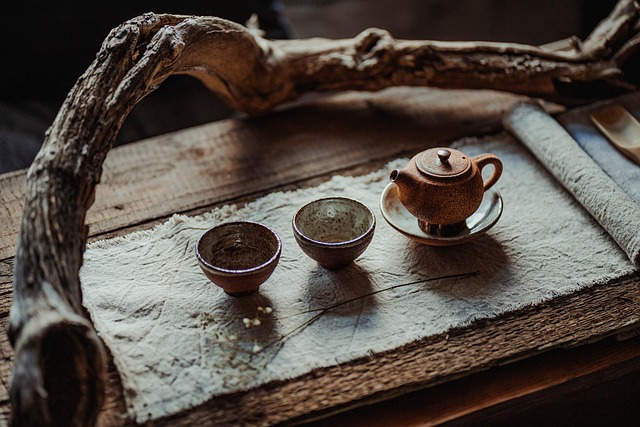
Melukat is a sacred Balinese cleansing ritual meant to wash away spiritual impurities. It’s not about getting clean in the physical sense it’s about letting go of emotional weight, negative energy, and spiritual debris. You’ll often see locals and visitors alike standing silently in fountains of holy water, hands pressed in prayer, allowing water to fall across their heads. The process often includes prayer, offerings, and a quiet moment of reflection afterward. Simple, but deeply meaningful.
The most visited spot for melukat is Tirta Empul in central Bali. It’s a centuries old temple fed by a spring that locals believe has healing powers. It’s beautiful, powerful and, yes, crowded. For something quieter, consider smaller temples tucked away in villages like Sebatu or Tegalalang. These offer more space to connect without feeling like you’re on display.
If you choose to take part, approach with humility. Wear a sarong and sash (usually available to rent or borrow at the temple). Follow the lead of locals or your guide, especially when it comes to rituals and offerings. Don’t rush. Cameras are tempting, but this isn’t a scene for performance. It’s a moment to be still, to breathe, to let Bali work on you from the inside out.
Discover Village Based Craftsmanship
If you want to understand the soul of Bali, get your hands dusty not just your camera roll. Step into a workshop in Mas and you’ll hear the slow rhythm of chisels on wood. Generations of Balinese woodcarvers have shaped temple doors, mythic figures, and everyday items here, using techniques passed down like heirlooms. Nearby in Celuk, families shape silver by hand filigree work so fine it feels modern, though it’s anything but. And for something truly tactile, try a batik class in a village outside Ubud where designs unfold in wax and dye, guided by patient teachers who have printed beauty on cloth their entire lives.
What sets these crafts apart isn’t polish it’s continuity. These artisans aren’t performers; they’re practitioners. Staying in the village a little longer? Ask questions. Watch closely. Many welcome curious visitors who want to do more than just browse.
To deepen the experience, pair this immersion with a detour to Bali’s quieter corners. The island’s lesser known temples, rice field clusters, and river valleys offer space to reflect on what you’ve seen and how much more there is to learn. Start with our picks for hidden Bali attractions that take you beyond the usual postcards.
Learn the Rhythms of a Traditional Gamelan Ensemble
At the heart of Bali’s spiritual and social life is gamelan an ancient orchestra made up of gongs, metallophones, and hand played drums. The sound is hypnotic: layered, pulsing, slightly unpredictable. It’s not background music. It’s a presence. For centuries, gamelan has guided rituals, accompanied dances, and marked key passages in the Balinese calendar.
Luckily, it’s not reserved for the elite or the born and raised. A handful of cultural centers and community groups across the island open their doors to travelers who want more than just a front row seat. In Ubud, Teges Kanginan and Pondok Pekak Library offer sessions where you can join locals, learn the basic patterns, and feel the collective groove of an ensemble. No musical background needed just a willingness to follow the rhythm and listen more than you play at first.
But gamelan isn’t just music. It’s intention with sound. Ensembles play for temple ceremonies, spirit offerings, and life transitions from tooth filing rites to cremations. Every clang and chime is placed with a purpose, tied to unseen worlds. When you learn even a piece of a balungan (the melodic framework), you’re not just hitting notes you’re stepping briefly into a loop that’s been spinning centuries.
This isn’t your average jam session. It’s maintenance of the sacred, set to bronze and bamboo.
Final Tips for Authentic Travel
To really get Bali not just skim its surface you have to slow down. Be where you are, not busy curating it for your feed. Locals notice when you’re present. They notice when you’re just passing through, too.
Ditch the guides sometimes. The path less trodden is where some of the most honest moments live morning offerings in small courtyards, a tucked away warung where the sambal makes your eyes water, or quiet conversations at a roadside temple.
Respect isn’t optional here. That means covering your shoulders in sacred spaces, asking before you photograph, and not assuming your way is the norm. Ask questions. Listen more than you speak. Let the island show itself instead of expecting it to perform.
For a deeper dive into Balinese customs and how to move within them thoughtfully, check out the full Balinese culture guide.