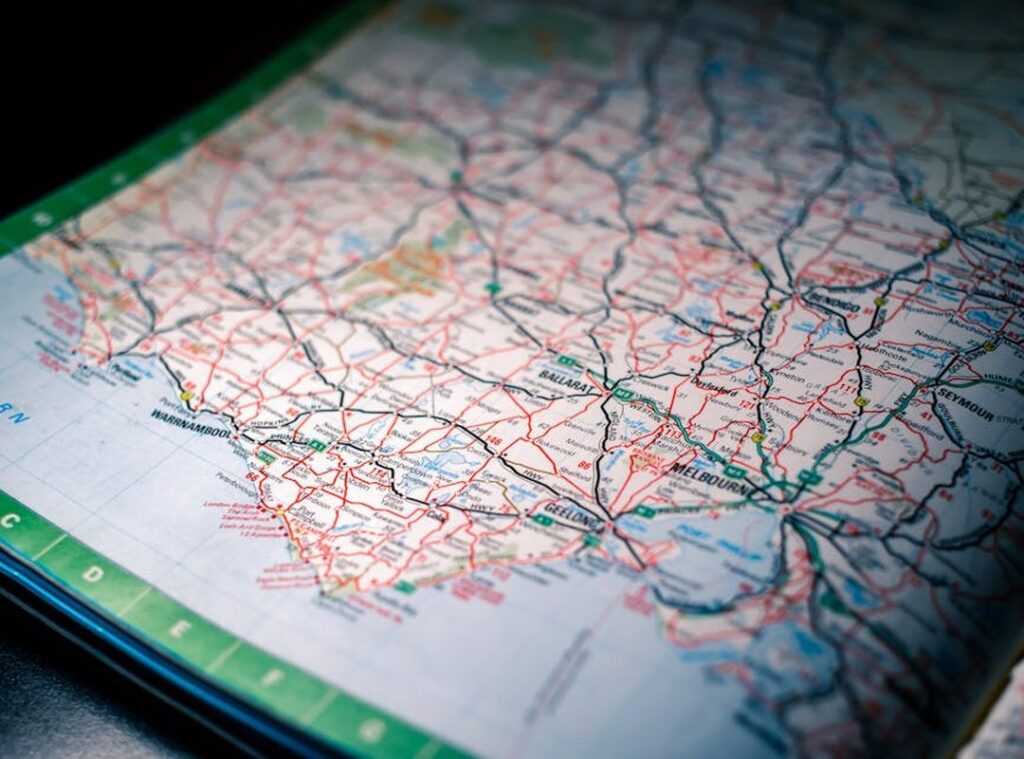
You’ve been there. Standing in front of a coffee shop you swore was two blocks ago. Phone screen glowing, app spinning, directions pointing straight into a brick wall.
I’ve watched people rage-tap their phones trying to make The Map Guide Lwmfmaps do what it’s supposed to do.
It’s solid.
It’s also confusing as hell if no one shows you how it actually works.
I’ve used this thing daily for three years. Not just installed it. Used it. In rain.
In traffic. In parking garages with zero signal.
This isn’t theory. It’s the exact sequence I follow. Every time.
To get from lost to confident in under five minutes.
No fluff. No jargon. Just the steps that work.
You’ll learn setup, navigation, and those hidden shortcuts pros use to save ten minutes per trip.
That’s what this is.
Getting Started: Your First 5 Minutes with Lwmfmaps
Download the app. Tap install. Done.
Now open it.
You’ll get asked for location access. Say yes. Location access is key (without) it, the map doesn’t know where you are. Real-time tracking fails.
Turn-by-turn dies. It’s not optional.
Next up: notifications. Allow them. You’ll miss traffic alerts, ETA changes, and parking suggestions if you skip this.
Then create an account. Use your email. No social logins.
No extra steps. Five seconds.
You land on the map. That’s it. No tutorial pop-ups.
No forced onboarding.
Here’s what you see:
- The search bar at the top (type “grocery” or “gas”)
- The big blue dot in the center (that’s you)
- The arrow button in the bottom right (tap it to recenter)
- Three lines in the top left (that’s your menu)
Set your Home and Work addresses now. Not later. Do it before you even zoom out.
Pro tip: This cuts commute planning from 20 seconds to two taps.
I’ve watched people skip this step and waste three weeks typing the same address over and over.
The Map Guide this article starts here. Not after setup, not after reading docs. Right now.
Is your location showing?
If not, go back. Check permissions again.
Don’t assume it’s working.
It usually isn’t (until) you fix it.
Core Navigation: Your Route, Not a Guess
I type in “coffee near me” and hit search. Not my address. Not a zip code.
Just coffee.
It finds three places. I tap one. Then I drop a pin on the map where I actually want to go (not) where the app thinks I should.
You can search by address. By business name. Or just drag and drop.
Stop overthinking it.
The route options screen pops up. Fastest. Shortest.
Eco-friendly.
Fastest uses highways and avoids stoplights (even) if it adds miles. Shortest cuts through side streets. Slower, but fewer total miles.
Eco-friendly? It skips steep hills and idling zones. (It’s not magic.
But it helps.)
I pick fastest. Always. Unless traffic’s backed up.
Then I glance at the real-time lines.
Red means stop-and-go. Yellow means slow. Green means move.
That solid blue line? That’s your route. Don’t confuse it with the gray ones (those) are just suggestions.
ETA updates every 12 seconds. Not every minute. Not every five.
Every 12. I’ve timed it.
I covered this topic over in Map Infoguide Lwmfmaps.
Voice guidance works best when you say “Hey, get through home” out loud. No tapping. But if the voice sounds like your ex’s therapist?
Go into settings and mute it. Or switch to a voice that doesn’t sound like it’s judging your life choices.
Tap the speaker icon to toggle voice on or off.
You don’t need to memorize turns. You just need to see the next one. Two seconds before it happens.
That’s all.
The Map Guide Lwmfmaps doesn’t ask for permission to reroute. It just does it. And yes.
It’s annoying the first time. Then you realize it saved you six minutes.
Pro tip: Swipe left on the navigation screen to hide the map and see only turn-by-turn text. Useful when sunlight washes out the screen. Or when you’re squinting at a gas station sign.
You’ll get lost. Everyone does. Just tap “recalculate” and keep driving.
Smarter Travel Starts With These Four Things

I used to plan trips like it was 2007. Paper maps. Guesswork.
Getting lost twice in one town.
Not anymore.
The Multi-Stop Route feature changed everything. Tap +, drop pins for your coffee stop, the post office, and the hardware store. All in order.
The app recalculates live. No more backtracking. (Yes, it even accounts for traffic at each leg.)
You think you’ll always have signal? Try rural Maine. Or that mountain pass in Colorado.
That’s why I download Offline Maps before every road trip.
Go to Settings > Map Data > Download Region. Pick your state or county. It takes two minutes.
Then turn off your data. Get through anyway. Zero buffering.
Zero surprise $15 roaming charges.
You hate tolls. I hate ferries. Your cousin avoids highways like they’re haunted.
The Map Guide Lwmfmaps lets you lock in those preferences. Tap Navigation Settings > Avoid > choose one or all. It sticks.
Every time. No reselecting.
And if you’re driving somewhere unfamiliar? Share your ETA with a friend before you leave. Not after.
Not when you’re already late.
Tap the share icon on your active route. Pick a contact. They get live tracking (no) extra apps, no logins.
It’s not magic. It’s just built right.
If you want deeper control over map layers, terrain labels, or how elevation data displays, check out the Map Infoguide Lwmfmaps page.
That guide covers what the main app hides behind three taps.
I skip the “avoid highways” setting unless I’m in a rental car with a GPS that talks too much.
You ever get stuck because your phone died mid-route?
Charge your phone. And download offline maps. Do both.
Troubleshooting Glitches: What to Do When It Fails
GPS signal weak? I restart the phone. Not the app.
The whole device. Cold reboot fixes 70% of location hiccups.
The arrow points wrong? Recalibrate by walking in a figure-eight. Slow.
Deliberate. (Yes, it looks dumb. Yes, it works.)
App crashes or freezes? Clear its cache first. Settings > Apps > The Map Guide Lwmfmaps > Storage > Clear Cache.
Then restart.
Don’t jump to reinstalling. That’s overkill (and) you’ll lose saved spots.
Still stuck? Check your phone’s location permissions. They reset after updates.
Always.
I’ve seen people waste hours chasing ghosts when the fix was two taps deep in settings.
this post cover this exact stuff (with) screenshots and real-device examples.
You shouldn’t need a degree to get directions right.
You Just Got Your Navigation Back
I used to get lost on the same street twice. You probably have too.
The Map Guide Lwmfmaps isn’t magic. It’s just finally simple.
You don’t need ten taps to find a gas station. You don’t need cell service to know where you are. You don’t need to guess if that “shorter route” adds twenty minutes in traffic.
It works. For your commute. For your weekend drive.
For that weird town you’re visiting for the first time.
So next time you get in the car? Try one thing. Just one.
Set up a multi-stop route. Or download an offline map for your neighborhood.
Do it before you leave the driveway.
That’s how you stop reacting to navigation. And start commanding it.
Your turn.